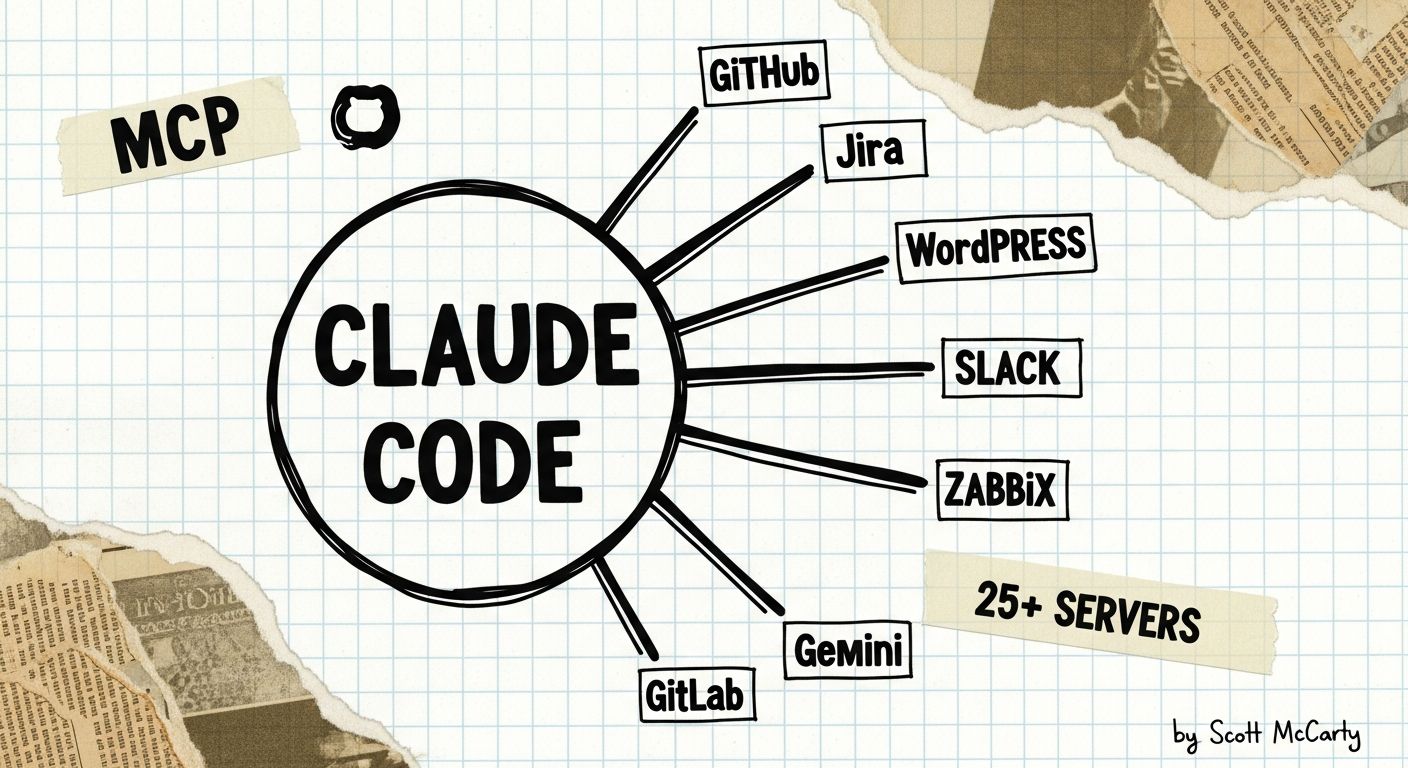
My MCP Server Setup: A Practical Guide to Wiring AI Into Everything

My MCP Server Setup: A Practical Guide to Wiring AI Into Everything

I’ve been building MCP servers for the last couple of months, and at this point I have over 25 of them wired into Claude Code. If you’re not familiar with MCP, it’s a protocol that lets AI assistants connect directly to external tools and data sources. Instead of copying and pasting information between applications, you

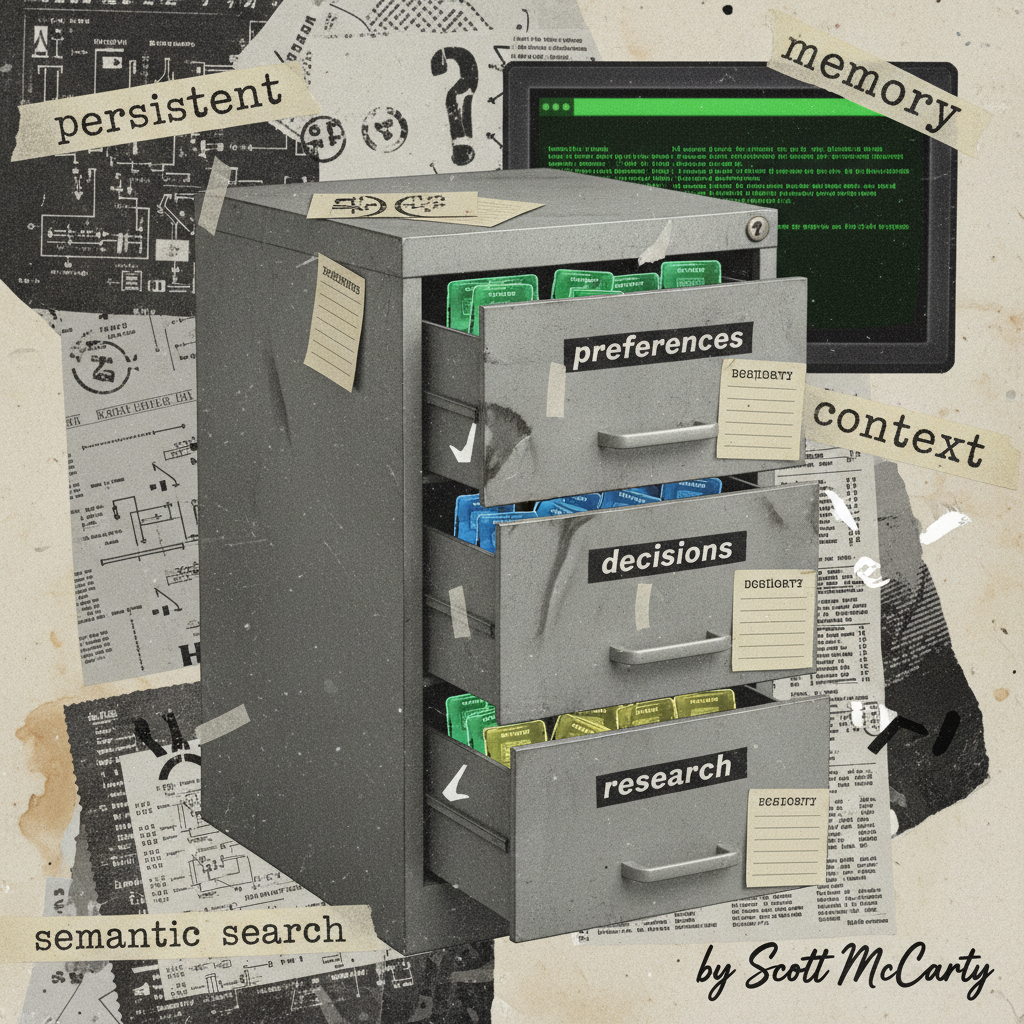
How to Give Claude Code Persistent Memory

How to Give Claude Code Persistent Memory

Claude Code doesn’t remember anything between sessions. Every time you start a new session, it’s a blank slate. You can stuff context into CLAUDE.md files, but that’s static text, not searchable memory. It doesn’t learn your preferences, remember your decisions, or recall the research you did yesterday. The fix is an MCP memory server. I’ve

CI/CD for Your RHEL 10 Bootc Workstation: A Practical Guide to GitHub Actions, Podman, and Quay.io

CI/CD for Your RHEL 10 Bootc Workstation: A Practical Guide to GitHub Actions, Podman, and Quay.io
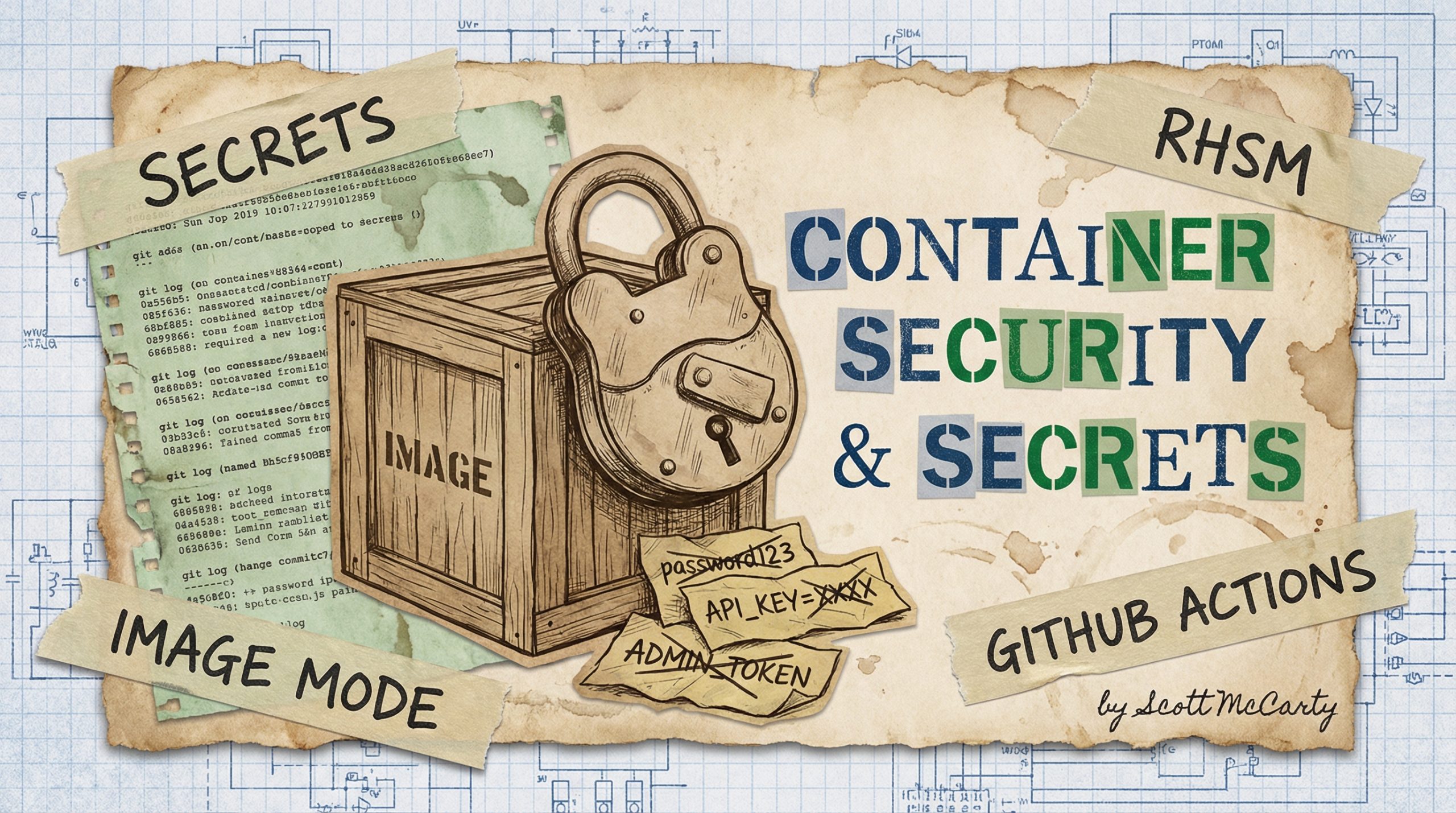
CI/CD for Image Mode RHEL - Lock and Ship concept with padlocked container crate

A practical walkthrough of setting up CI/CD for a RHEL 10 bootc workstation image using GitHub Actions, Podman, and Quay.io — including the workarounds you’ll actually need.

Running a Fully Local Voice Pipeline for Claude Code on RHEL 10 with Intel GPU Acceleration

Running a Fully Local Voice Pipeline for Claude Code on RHEL 10 with Intel GPU Acceleration

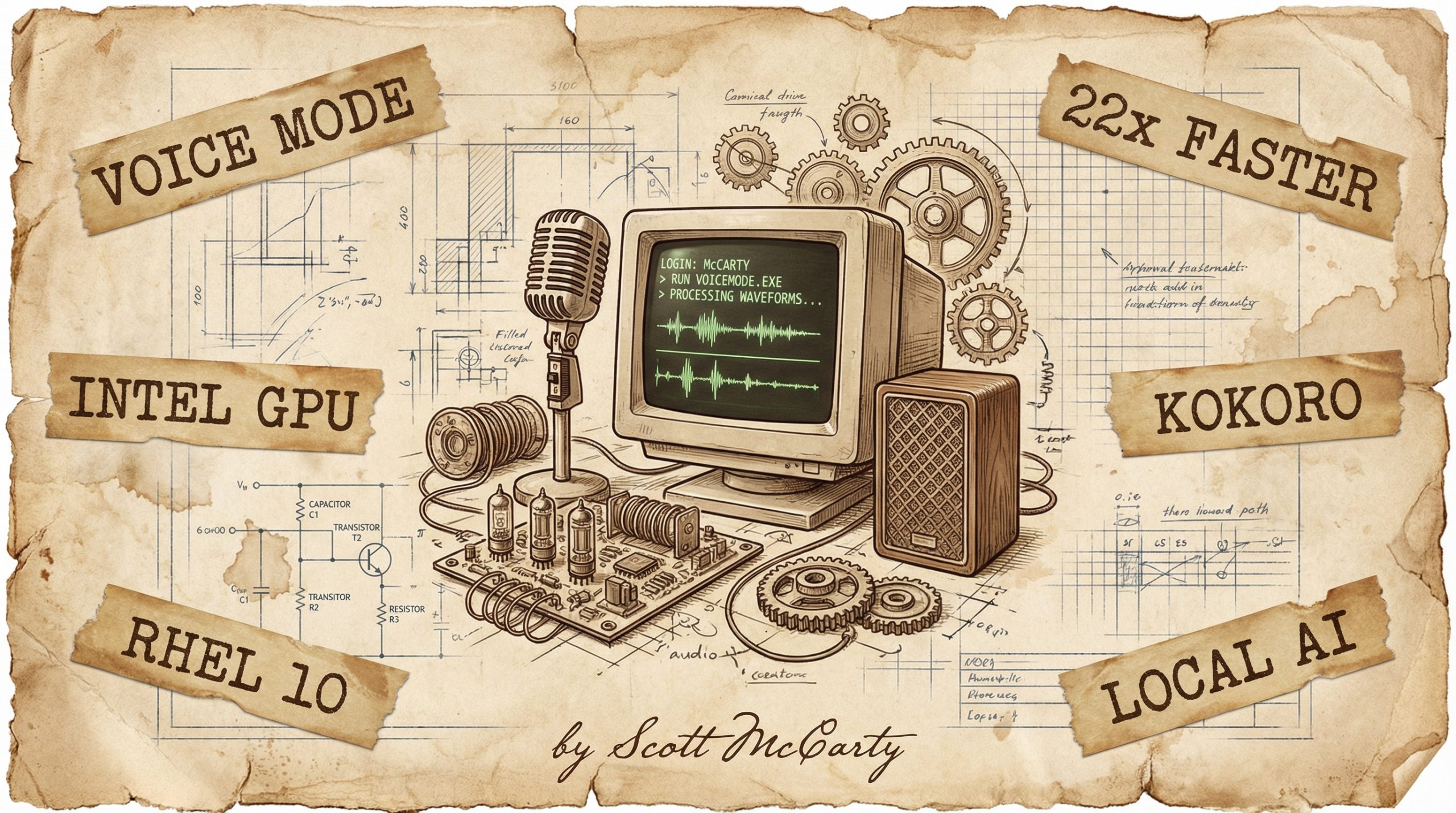
How I set up a fully local voice pipeline for Claude Code on RHEL 10 using Whisper.cpp, Kokoro TTS, and Intel Meteor Lake GPU acceleration via PyTorch XPU — achieving a 22x speedup with no cloud dependencies.

Running Docker in Production

Running Docker in Production

Background This blog series is focused on programmers, systems administrators, and application administrators that want to run Docker in production. The subject matter ranges from workflow and practical guidelines to security and best practices in manageability.   A Practical Introduction to Docker Containers A Practical Introduction to the Docker Registry Server Core Builds in the

A Practical Introduction to the Docker Registry Server

Background One of the key advantages of using Docker is it’s centralized image management server, called a Registry Server. The Docker project, as well as Red Hat, maintain public registry servers which host supported images. The Docker project also provides an Open Source version of the Registry server which can be deployed on premise in

A Practical Introduction to Docker Containers

Background Why Docker has quite an amount of buzz around it today because it makes so many things easy that were difficult with virtual machines. Docker containers makes it easy for Developers, Systems Administrators, Architects, Consultants and others to quickly test a piece of software in a container; much quicker than a virtual machine, and

Learning Django with OpenShift

Background The goal of this article is use the OpenShift Platform as a Service (PaaS) as a learning platform for Django. Most of the technical articles out there about running Django on OpenShift assume the user already understands how to administer Django environments and projects. This article is written from the perspective of someone who

Red Hat Enterprise Virtualization (RHEV) & Identity, Policy, Audit (IPA)

Background In my ever evolving lab, it came time to integrate Red Hat Enterprise Linux (RHEV) with Identity, Policy, Audit (IPA).There were a few caveats and searching Google didn’t help, so hopefully this article can save you some time. Integrating the two was fairly straitforward. The biggest challenge was finding a quick and easy way

KVM Virtualization 201

  Background In my original post KVM Virtualization 101 and my second post KVM Virtualization 102, I explained some basic commands that are necessary to get on using KVM and some features for tuning KVM. In this article I move on to some of the more advanced problems when converting existing Linux machines from a