
Sync Red Hat Hardened Images RPM packages to Red Hat Satellite with full GPG validation — ideal for building containers in disconnected environments.
Continue Reading “Synchronizing Red Hat Hardened Images Packages to Red Hat Satellite”
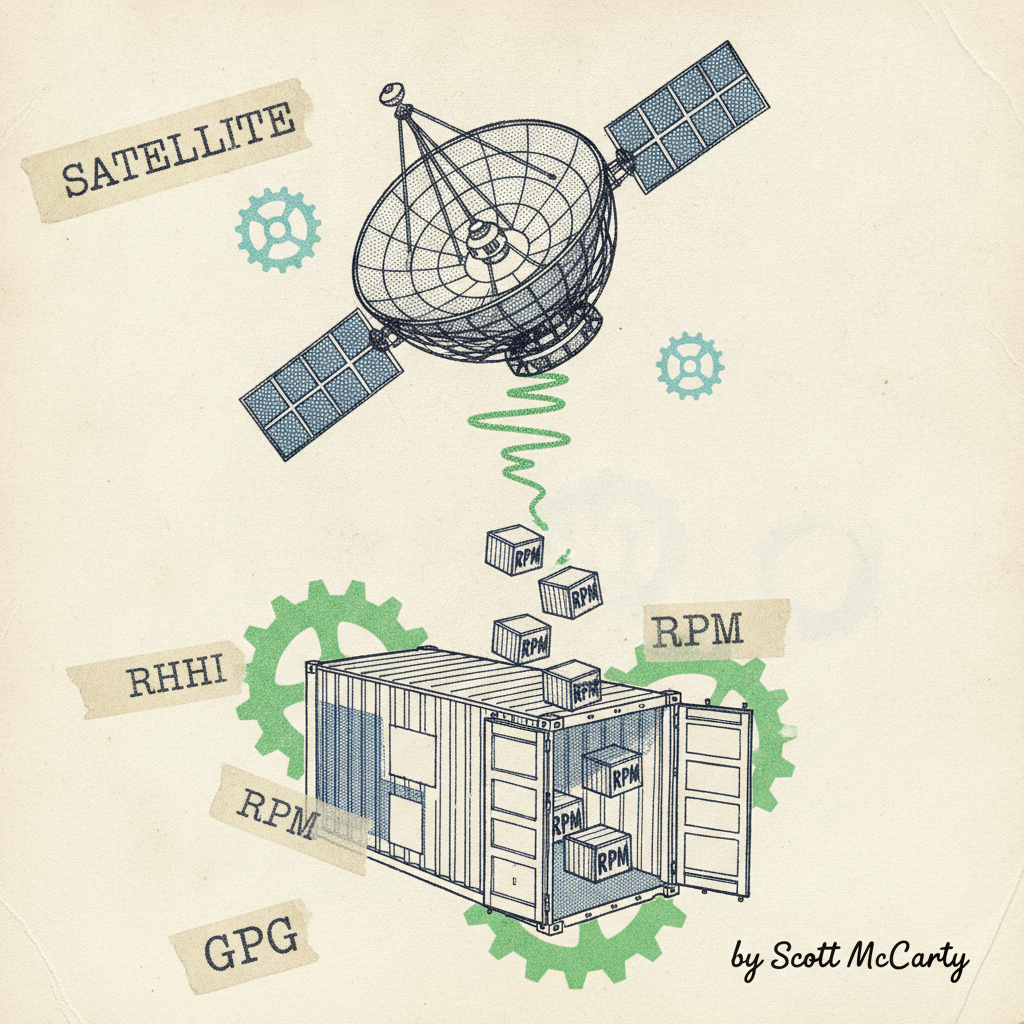
Sync Red Hat Hardened Images RPM packages to Red Hat Satellite with full GPG validation — ideal for building containers in disconnected environments.
Continue Reading “Synchronizing Red Hat Hardened Images Packages to Red Hat Satellite”
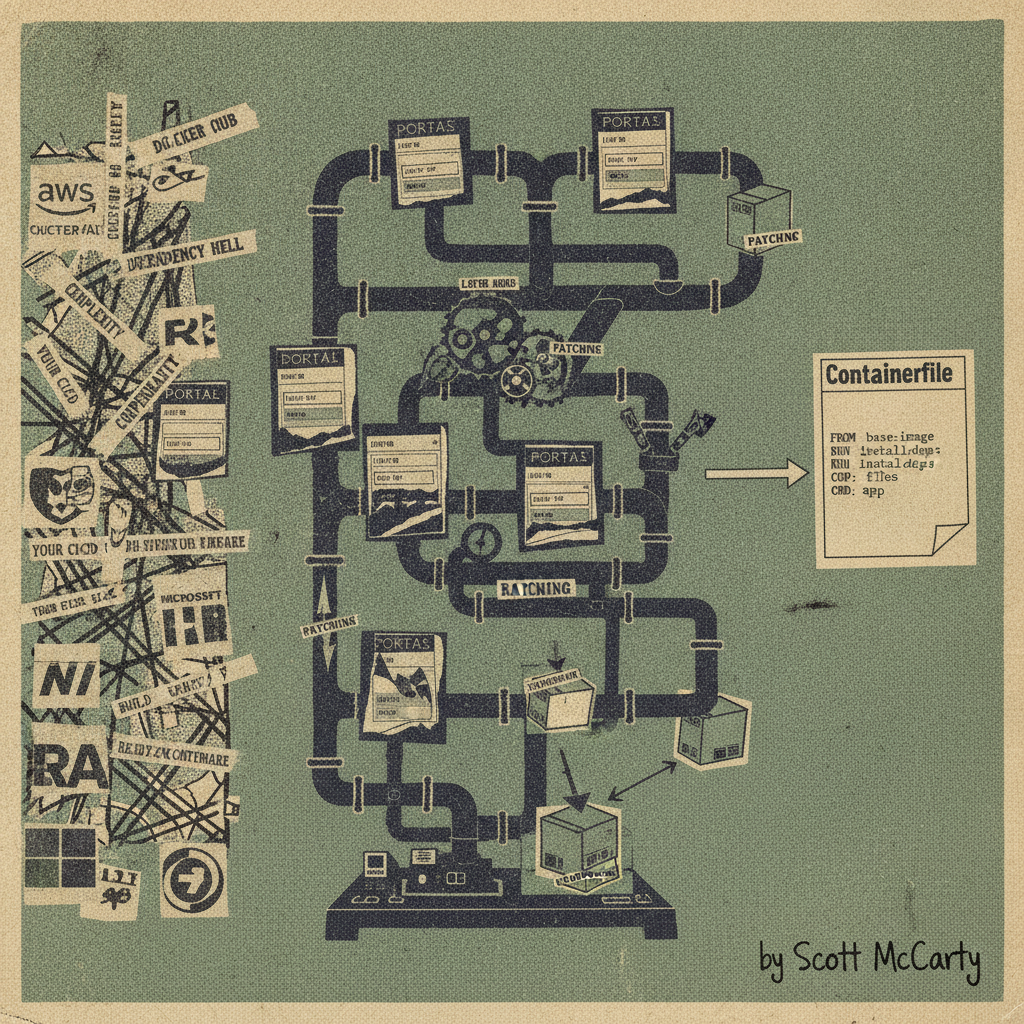
I’ve been having a lot of conversations lately with people who are evaluating hardened container image vendors, and one particular feature keeps coming up that, frankly, surprises me. Customers are asking vendors like Docker and Chainguard to pre-inject customizations into container images on their behalf, things like CA certificates, security configurations, and other environment-specific tweaks.
Continue Reading “Your Container Image Customizations Belong to You, Not Your Vendor”

Six years ago, I wrote about the good, better, best approach to Linux quality when evaluating container images. The same framework applies to desktop Linux distributions – maybe even more so, because desktops have a GUI that’s notoriously hard to test automatically. Here’s what I wrote: Good: Use a bug tracker and collect problems as
Continue Reading “Project Bluefin is Helping Prove That Dark Factories Work for Operating Systems”
I’ve been running RHEL 10 image mode on my laptop since a few days before Red Hat Summit in May 2025, and I recently deployed it on a Linode VPS on March 4th. The whole experience has taught me something about how people actually adopt this technology, because I think the journey looks a lot
Continue Reading “The Image Mode Journey: From Your Laptop to Production”
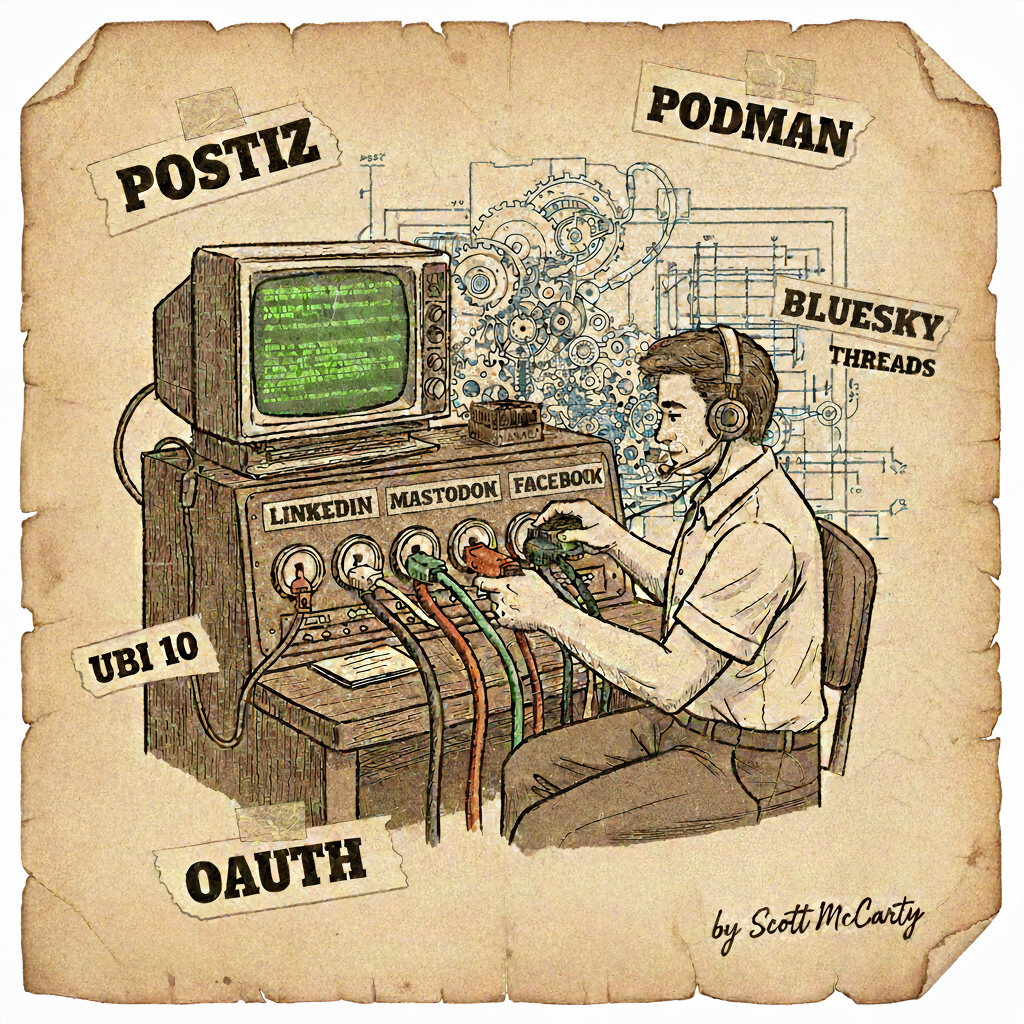
I replaced Buffer with a self-hosted instance of Postiz running on RHEL 10. One Podman container. Six social media platforms. Full API control. This is the technical walkthrough of what I built and what broke along the way.
Continue Reading “Self-Hosting Postiz on RHEL 10: One Container, Six Platforms, Zero SaaS”
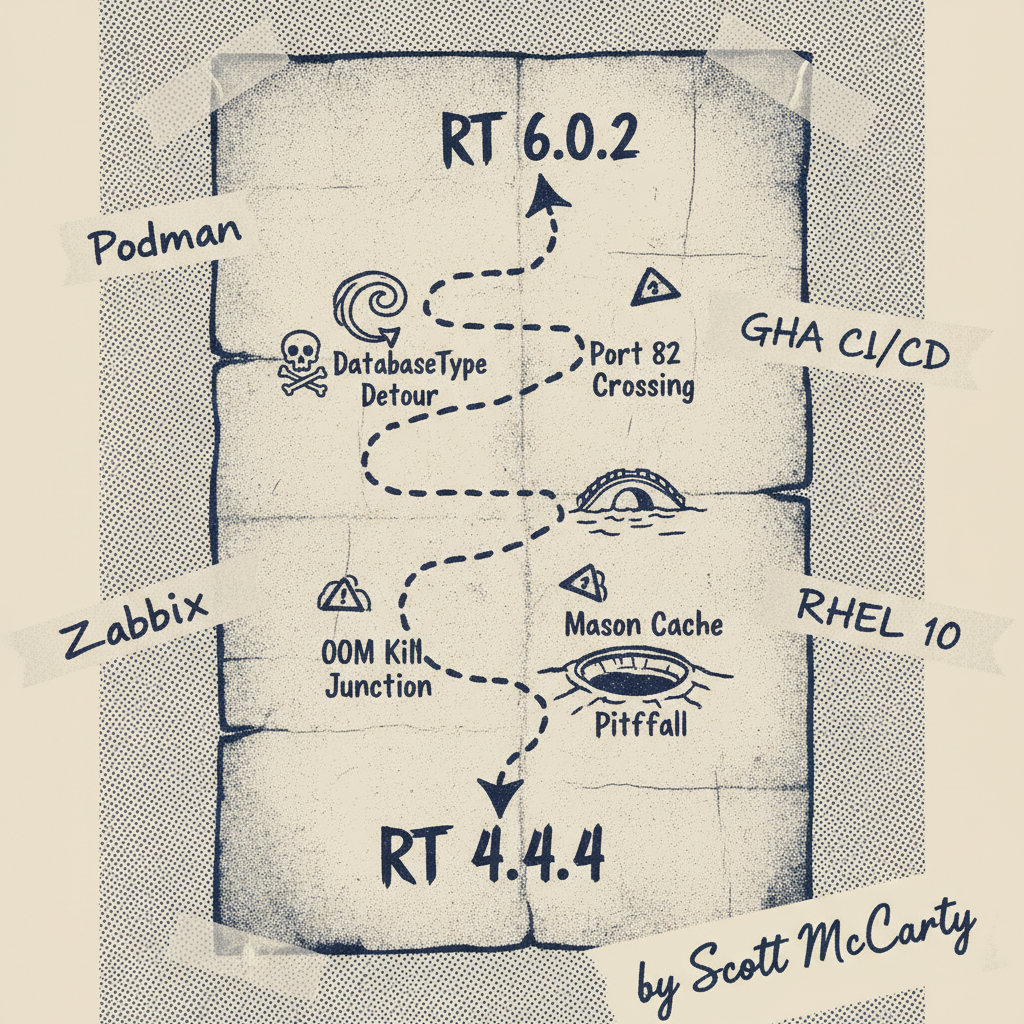
Request Tracker 4.4 reached end of life in November 2025. I’d been running RT 4.4.4 in a container on one of my Linode servers since 2020, and the upgrade to RT 6.0.2 had been sitting in my backlog for months. It’s the kind of task that’s never urgent until it is. You and I both
Continue Reading “I Upgraded Request Tracker with an AI Co-Pilot. Here’s What Actually Happened.”
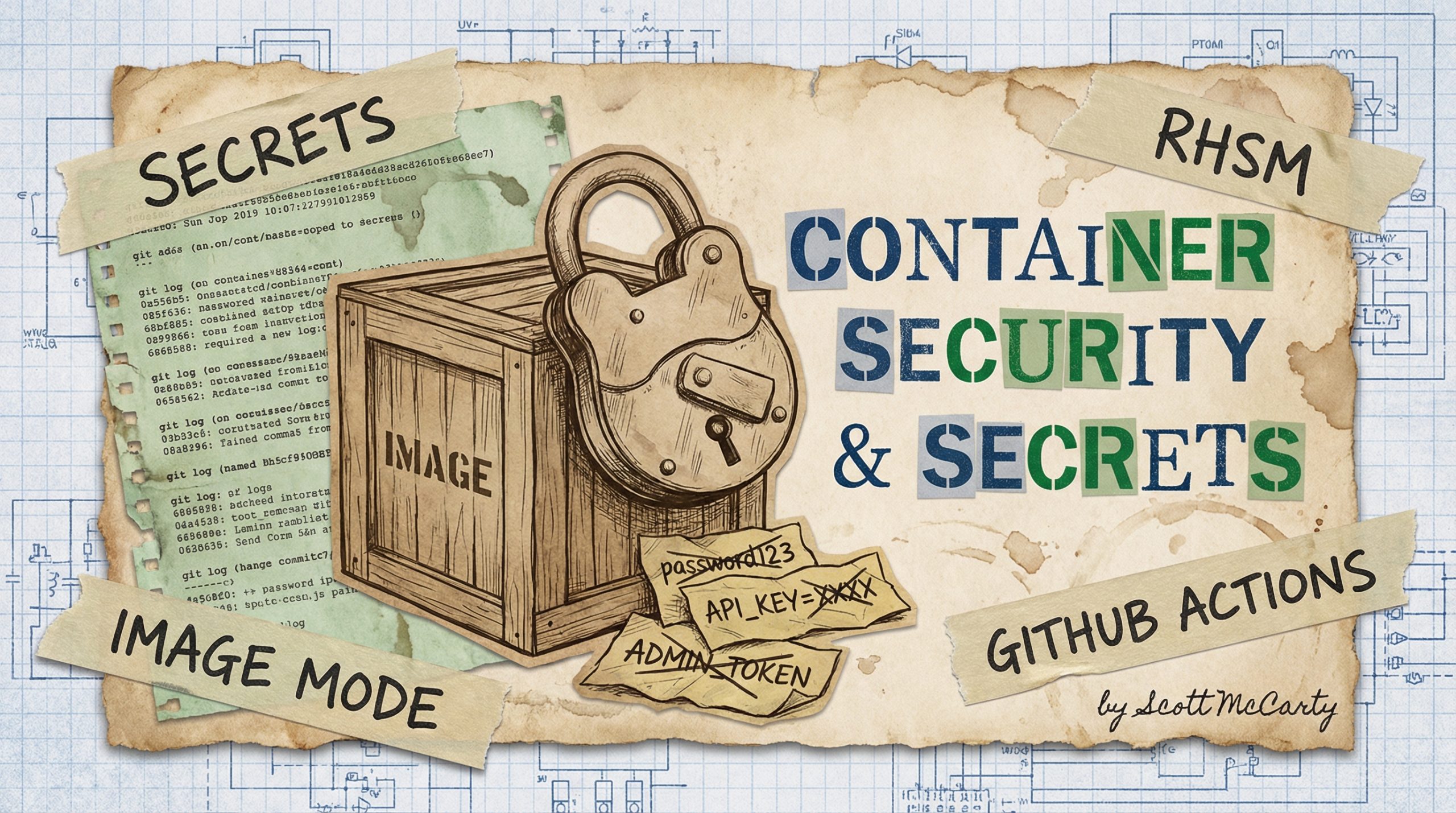
A practical walkthrough of setting up CI/CD for a RHEL 10 bootc workstation image using GitHub Actions, Podman, and Quay.io — including the workarounds you’ll actually need.
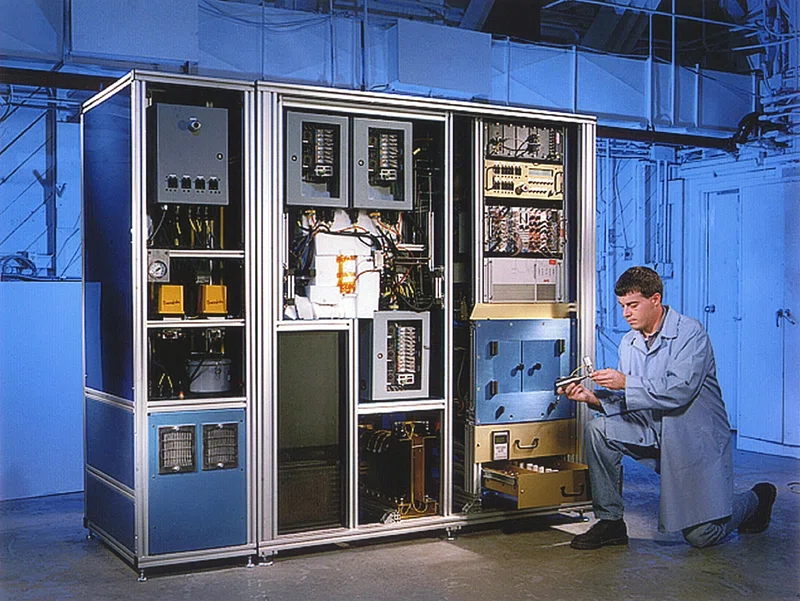
I want to highlight a great post by Brendan Gregg: Linux Crisis Tools. He does a walk through of a scenario that strikes me as very realistic, and brings back memories from my 15 years managing Linux servers. You can tell he has real-world sysadmin experience. I think that’s key for being a good thought
This presentation is a 16 slide introduction to what must be thought about when building a production cloud. Proper image management is critical engineering task.
This presentation is a 16 slide introduction to what must be thought about when building a production cloud. Proper image management is critical engineering task.
Continue Reading “BrightTalk 2022: Virtual US: Upgrading to RHEL 9 (and Beyond) with Containers”