
Petit, my command line log analysis tool from 2009, is back. It shrank logs for sysadmins, and now it shrinks them for AI agents too.
Continue Reading “Command Line Log Analysis Meets the Age of Agents”
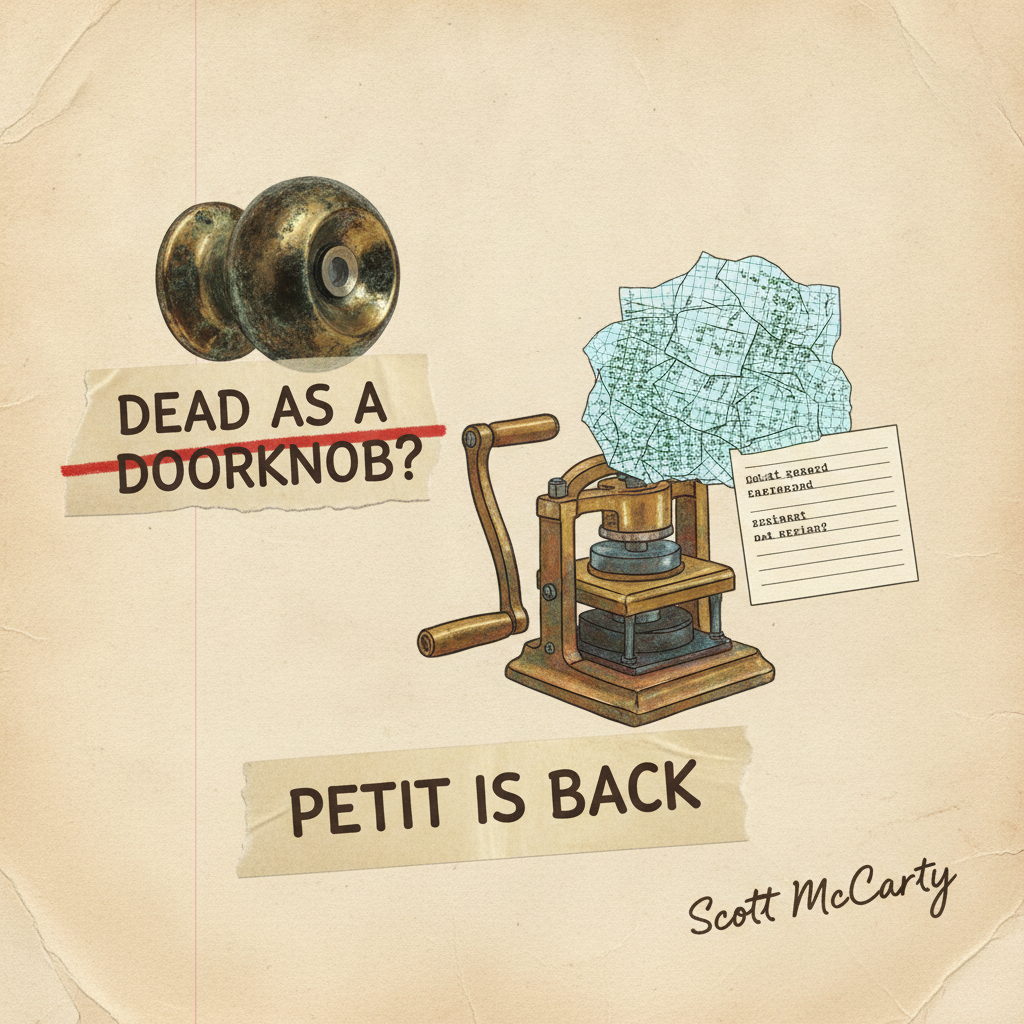
Petit, my command line log analysis tool from 2009, is back. It shrank logs for sysadmins, and now it shrinks them for AI agents too.
Continue Reading “Command Line Log Analysis Meets the Age of Agents”

Discovery and remediation are hard, but absorbing security updates is the final hurdle. What I’m seeing in 30 Red Hat Enterprise Linux customer meetings.

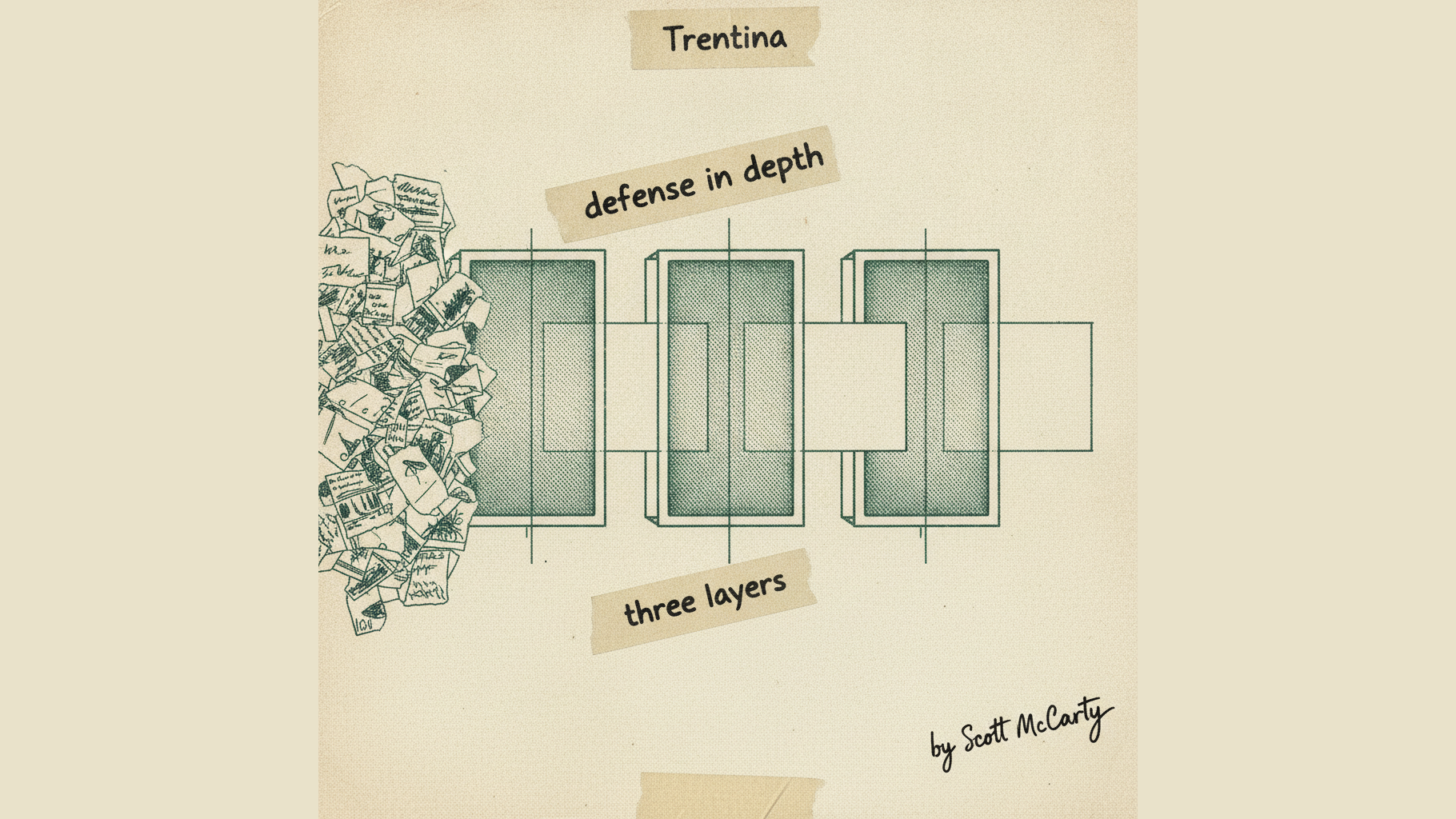
If you’ve been following Trentina, you know I’ve been beating the drum on prompt injection defense for a while now. I built a three-layer quarantine system, wrote about prompt injection in terms of epidemiology, and generally been that guy at the party who won’t shut up about how your AI agent is going to get
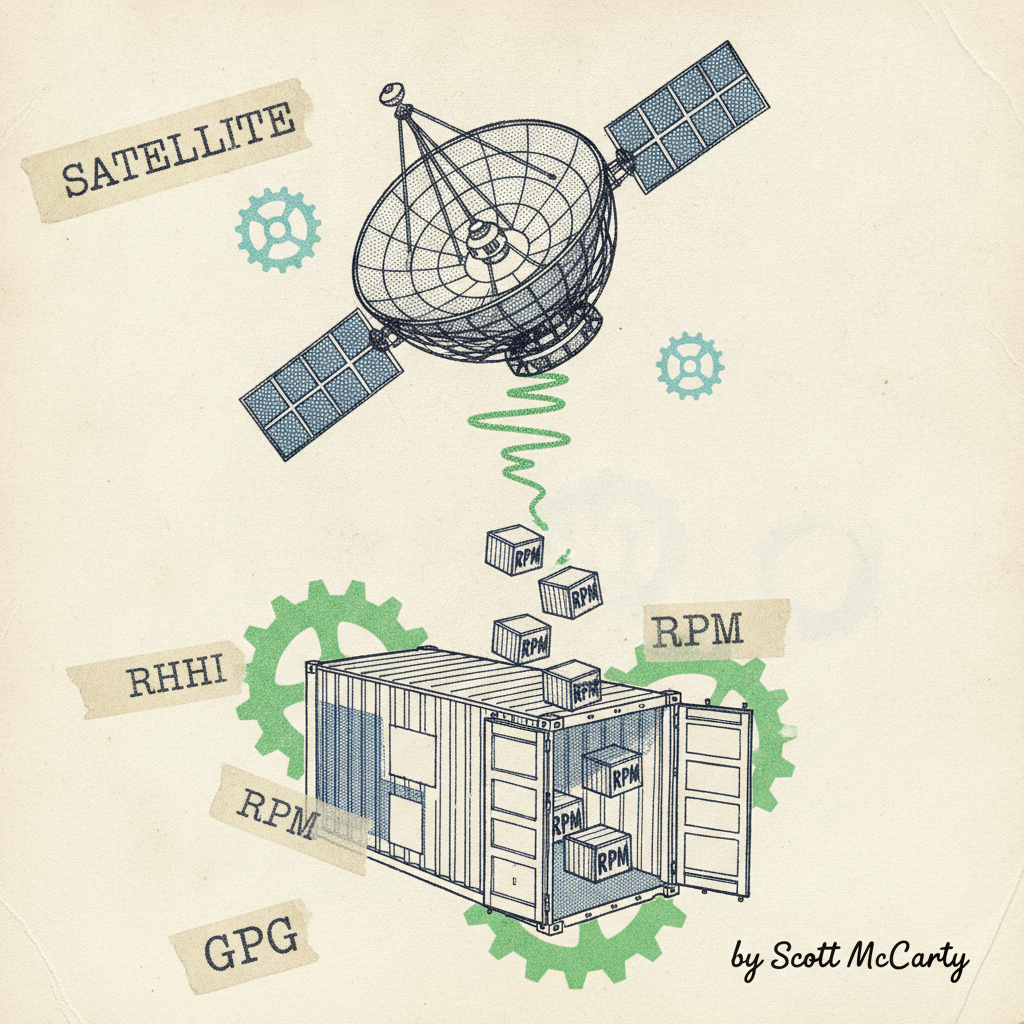
Sync Red Hat Hardened Images RPM packages to Red Hat Satellite with full GPG validation — ideal for building containers in disconnected environments.
Continue Reading “Synchronizing Red Hat Hardened Images Packages to Red Hat Satellite”
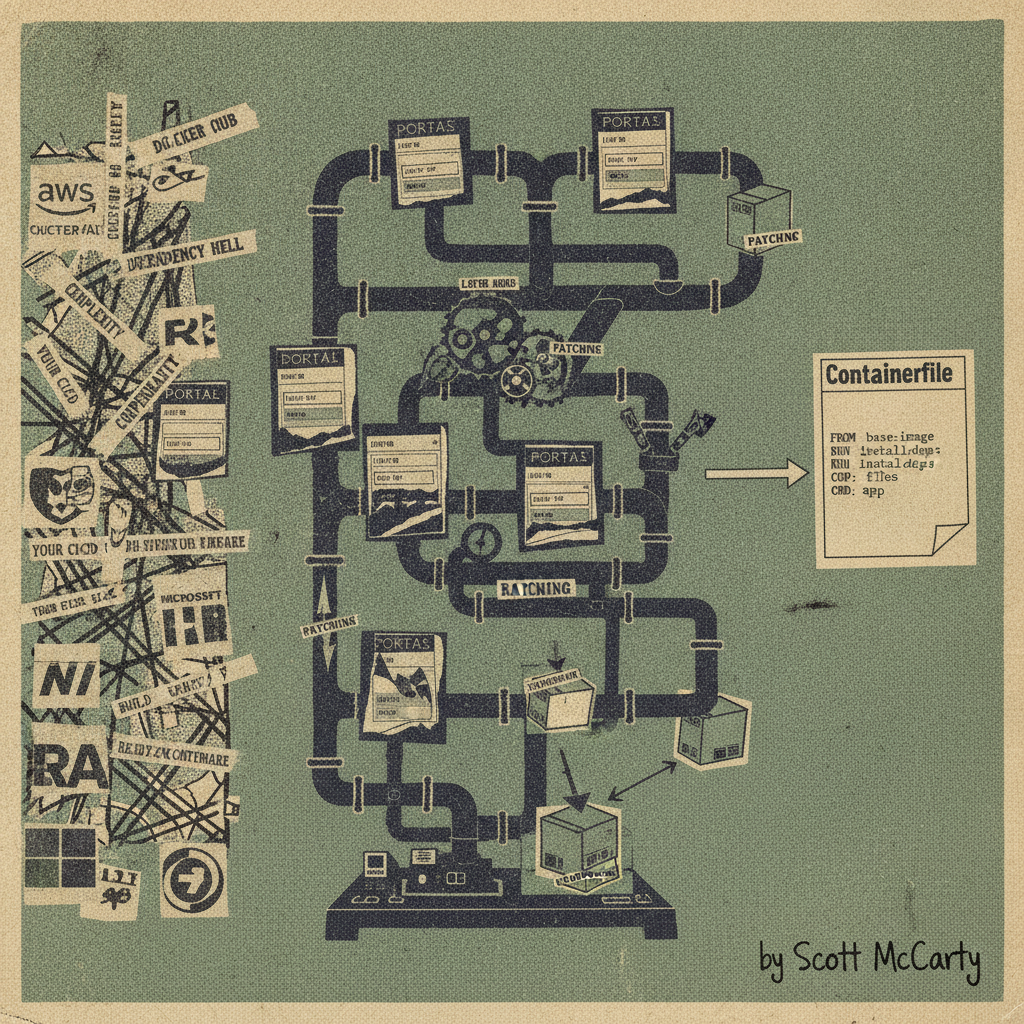
I’ve been having a lot of conversations lately with people who are evaluating hardened container image vendors, and one particular feature keeps coming up that, frankly, surprises me. Customers are asking vendors like Docker and Chainguard to pre-inject customizations into container images on their behalf, things like CA certificates, security configurations, and other environment-specific tweaks.
Continue Reading “Your Container Image Customizations Belong to You, Not Your Vendor”
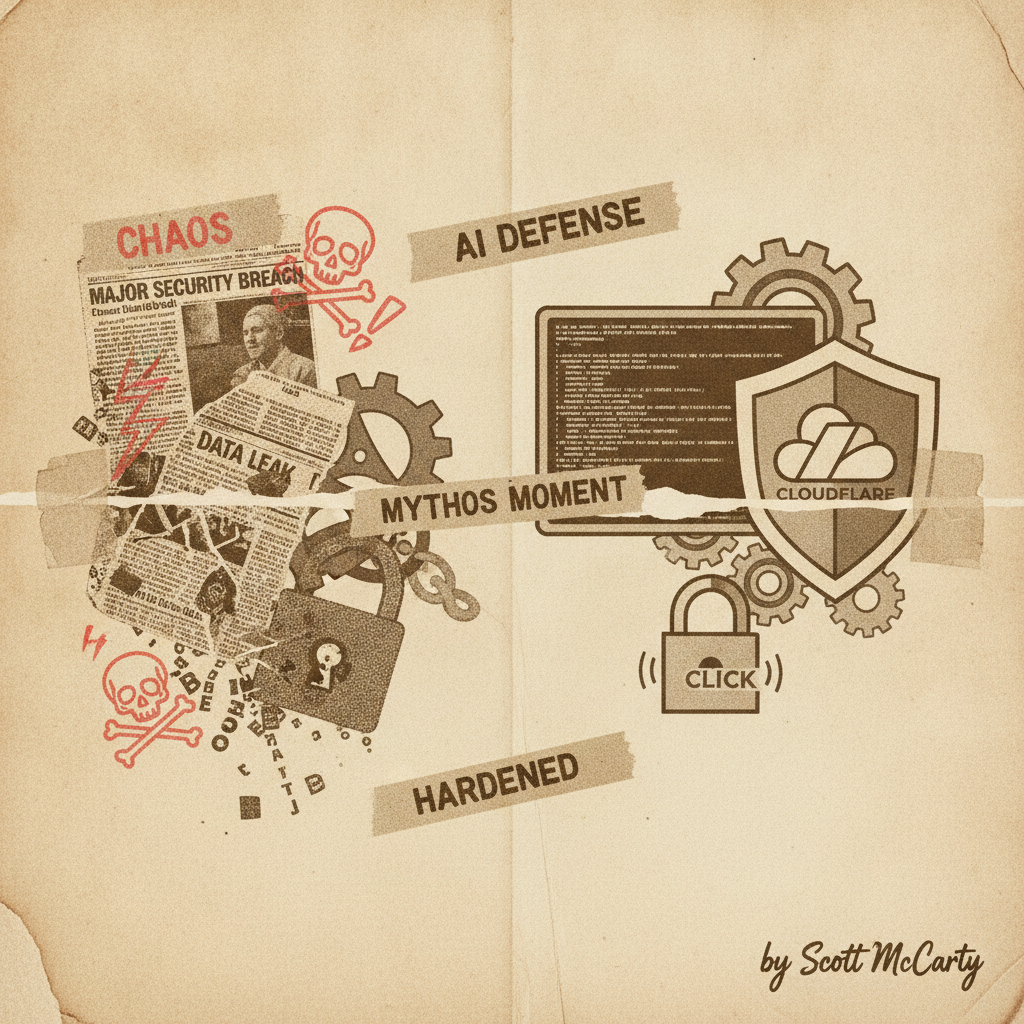
How I got hacked twice in one month by two different attackers — and fixed it with 3-5 AI prompts while on work calls. My personal Mythos moment.
May 12-13, 2026 | Atlanta, GA Speakers: Stef Walter & Scott McCarty At Red Hat Summit 2026, Stef Walter and I introduced Fedora Hummingbird Linux — a new Linux for Builders. Abstract With more software being written faster than ever — driven by AI-assisted development — the security landscape is changing. More software means more
Continue Reading “Red Hat Summit 2026: Introducing Fedora Hummingbird Linux”
May 12-13, 2026 | Atlanta, GA Speakers: Brian Stinson & Scott McCarty At Red Hat Summit 2026, Brian Stinson and I presented “The Roadmap Beyond Red Hat Enterprise Linux 10: Building Platforms the Open Source Way.” Abstract How do you build the world’s most trusted enterprise Linux platform — transparently, collaboratively, and in the open?
May 12-13, 2026 | Atlanta, GA Speakers: Jef Spaleta & Scott McCarty At Red Hat Summit 2026, Jef Spaleta (Fedora Project Lead) and I presented “From Fedora to RHEL: Building the Future of Enterprise Linux Together.” Abstract This session explores the pipeline from Fedora to Red Hat Enterprise Linux, covering the RHEL 10 launch and
A prompt injection doesn’t have to act to be dangerous. It can hide, copy itself, and spread agent to agent. Why AI security is an epidemiology problem, and how to respond.