
Petit, my command line log analysis tool from 2009, is back. It shrank logs for sysadmins, and now it shrinks them for AI agents too.
Continue Reading “Command Line Log Analysis Meets the Age of Agents”
Petit, my command line log analysis tool from 2009, is back. It shrank logs for sysadmins, and now it shrinks them for AI agents too.
Continue Reading “Command Line Log Analysis Meets the Age of Agents”

Discovery and remediation are hard, but absorbing security updates is the final hurdle. What I’m seeing in 30 Red Hat Enterprise Linux customer meetings.
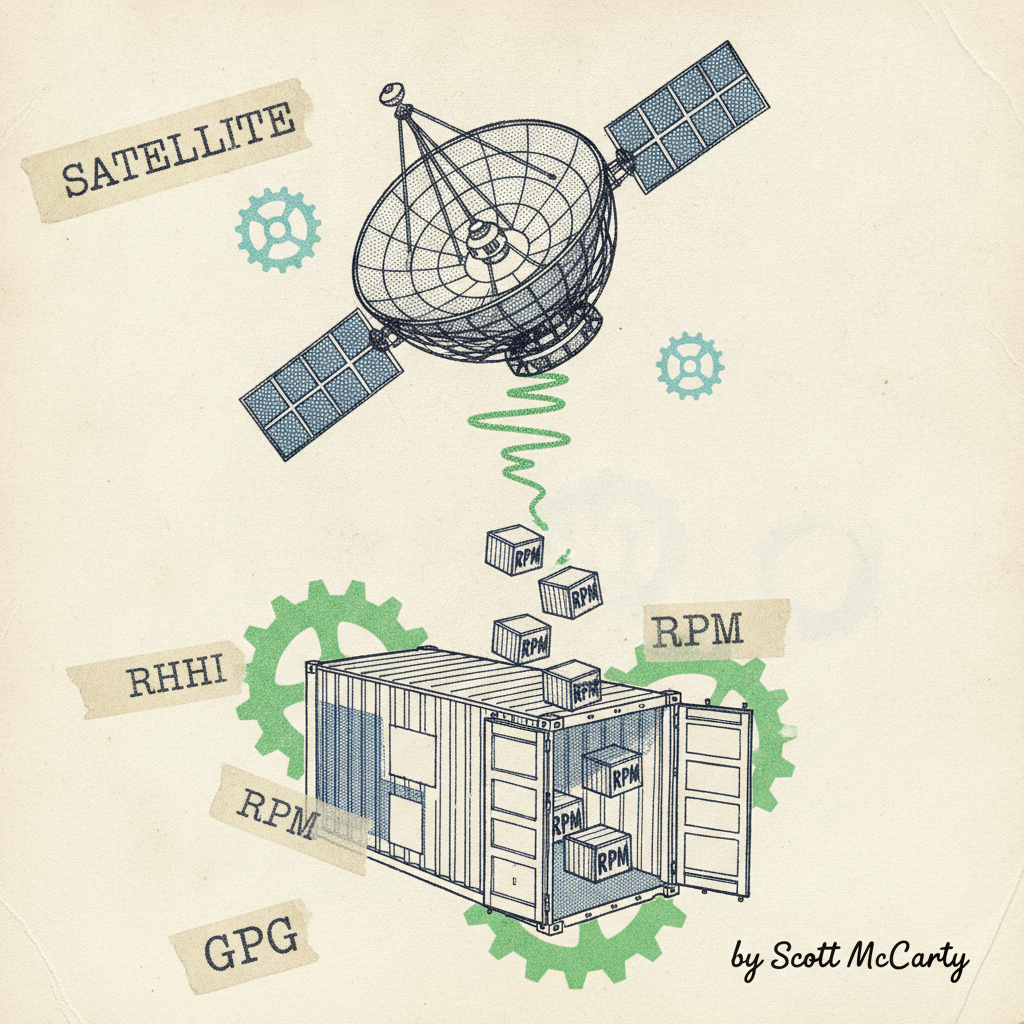
Sync Red Hat Hardened Images RPM packages to Red Hat Satellite with full GPG validation — ideal for building containers in disconnected environments.
Continue Reading “Synchronizing Red Hat Hardened Images Packages to Red Hat Satellite”
How I got hacked twice in one month by two different attackers — and fixed it with 3-5 AI prompts while on work calls. My personal Mythos moment.
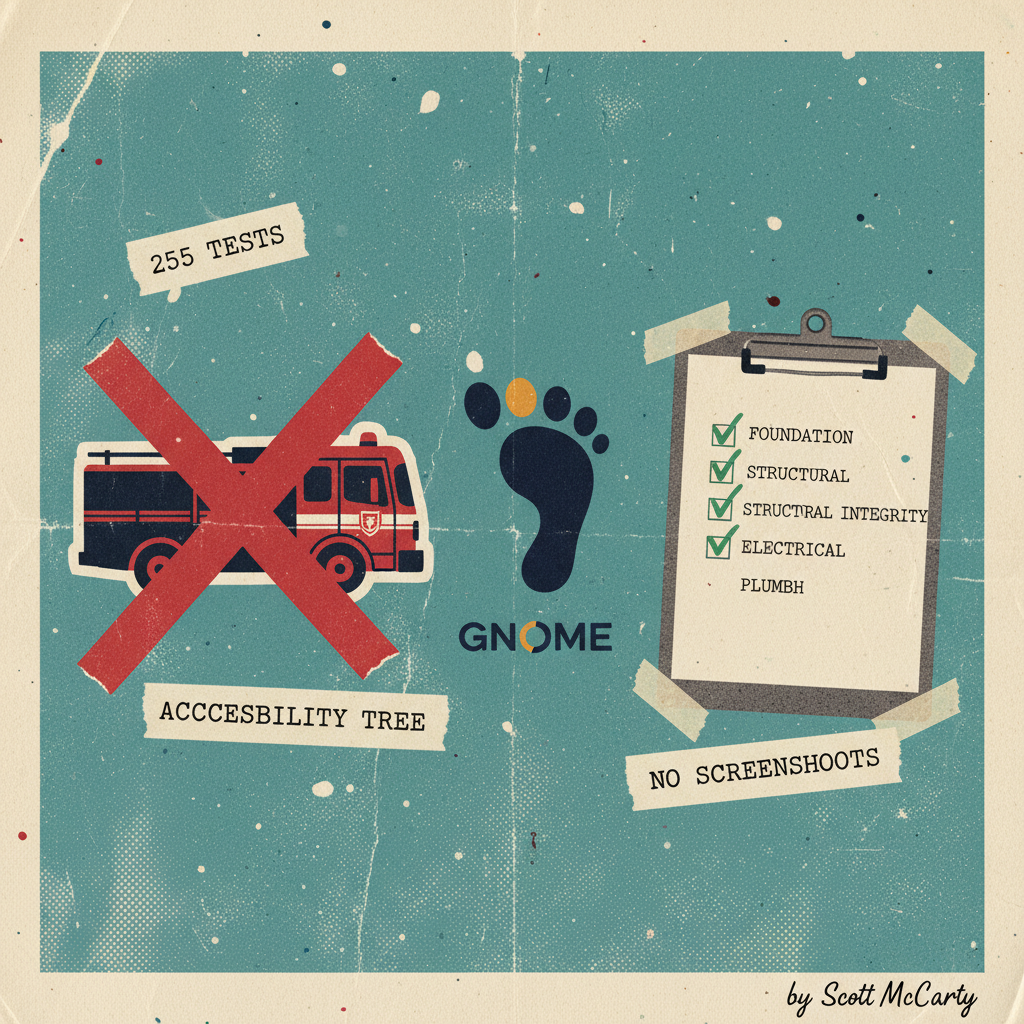
Six years ago, I wrote about the good, better, best approach to Linux quality when evaluating container images. The same framework applies to desktop Linux distributions – maybe even more so, because desktops have a GUI that’s notoriously hard to test automatically. Here’s what I wrote: Good: Use a bug tracker and collect problems as
Continue Reading “Project Bluefin is Helping Prove That Dark Factories Work for Operating Systems”
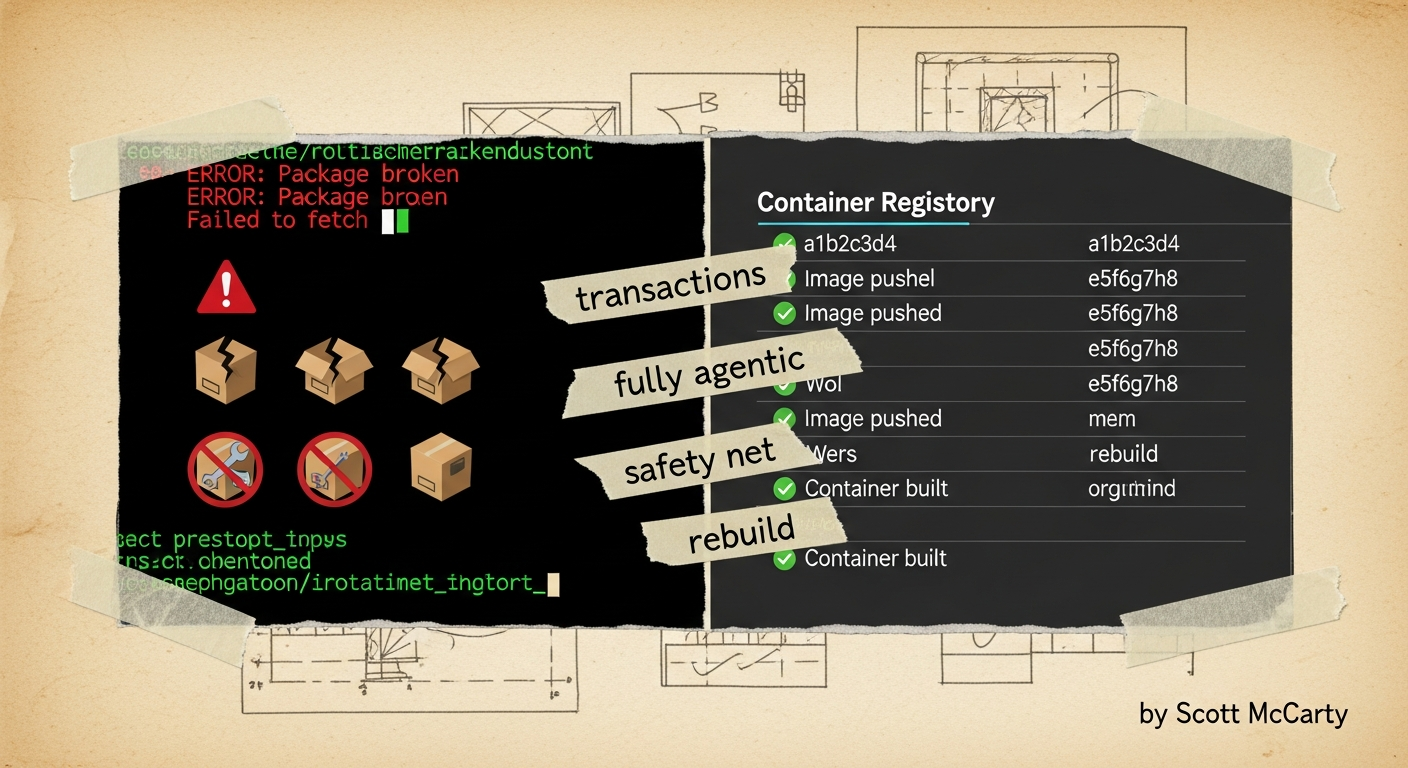
I’ve been running Claude Code on my RHEL 10 workstation for a few months now, and I have to admit, with some embarrassment, I often run it with the ominous –dangerously-skip-permissions option. It reads and writes files, executes shell commands, installs packages, modifies system configs, all without asking permission first. I’ve been letting an AI
Continue Reading “image mode Gave Me the Confidence to Go Fully Agentic”
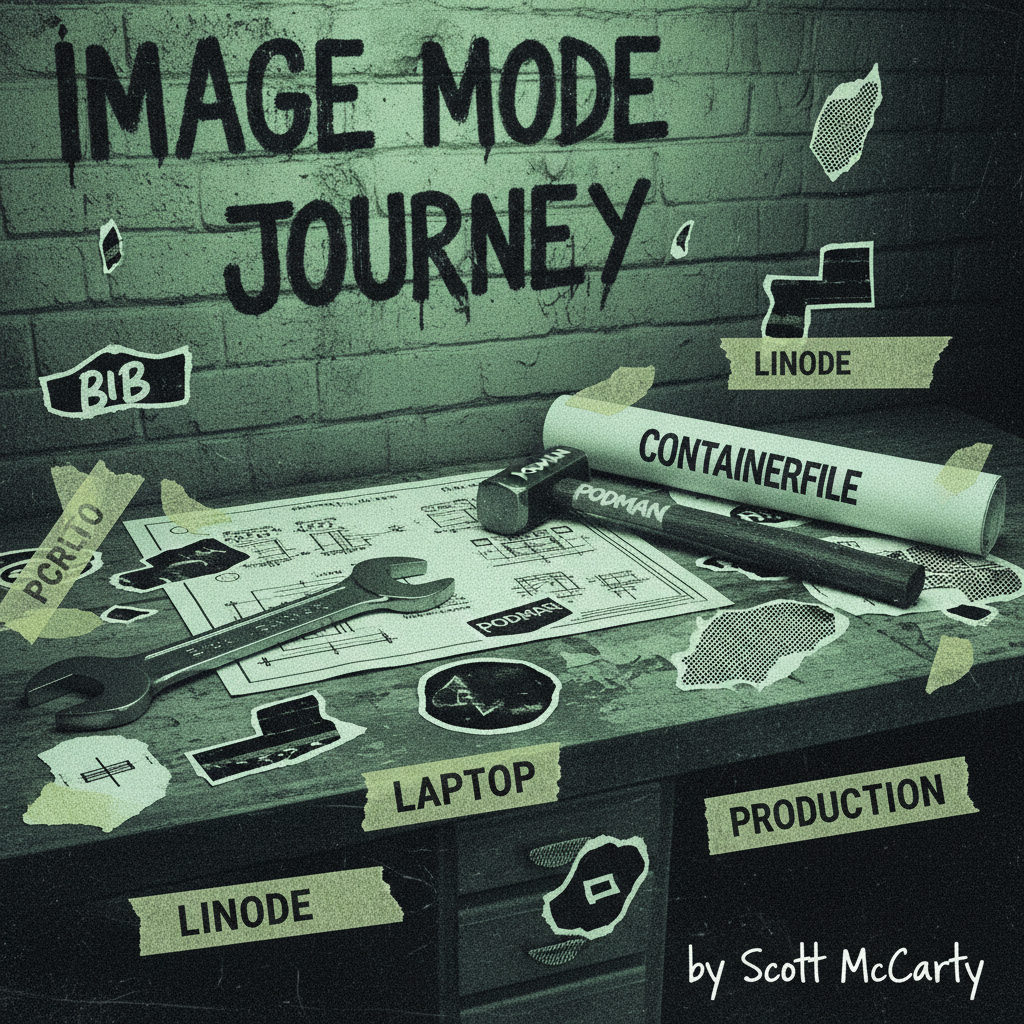
I’ve been running RHEL 10 image mode on my laptop since a few days before Red Hat Summit in May 2025, and I recently deployed it on a Linode VPS on March 4th. The whole experience has taught me something about how people actually adopt this technology, because I think the journey looks a lot
Continue Reading “The Image Mode Journey: From Your Laptop to Production”
My print screen key on my external keyboard stopped working. Not the one built into the laptop, that was working fine. The one on my external keyboard. It had worked fine, and then it randomly stopped working! Why? I have no idea. This kind of thing isn’t supposed to happen in computers, but we all
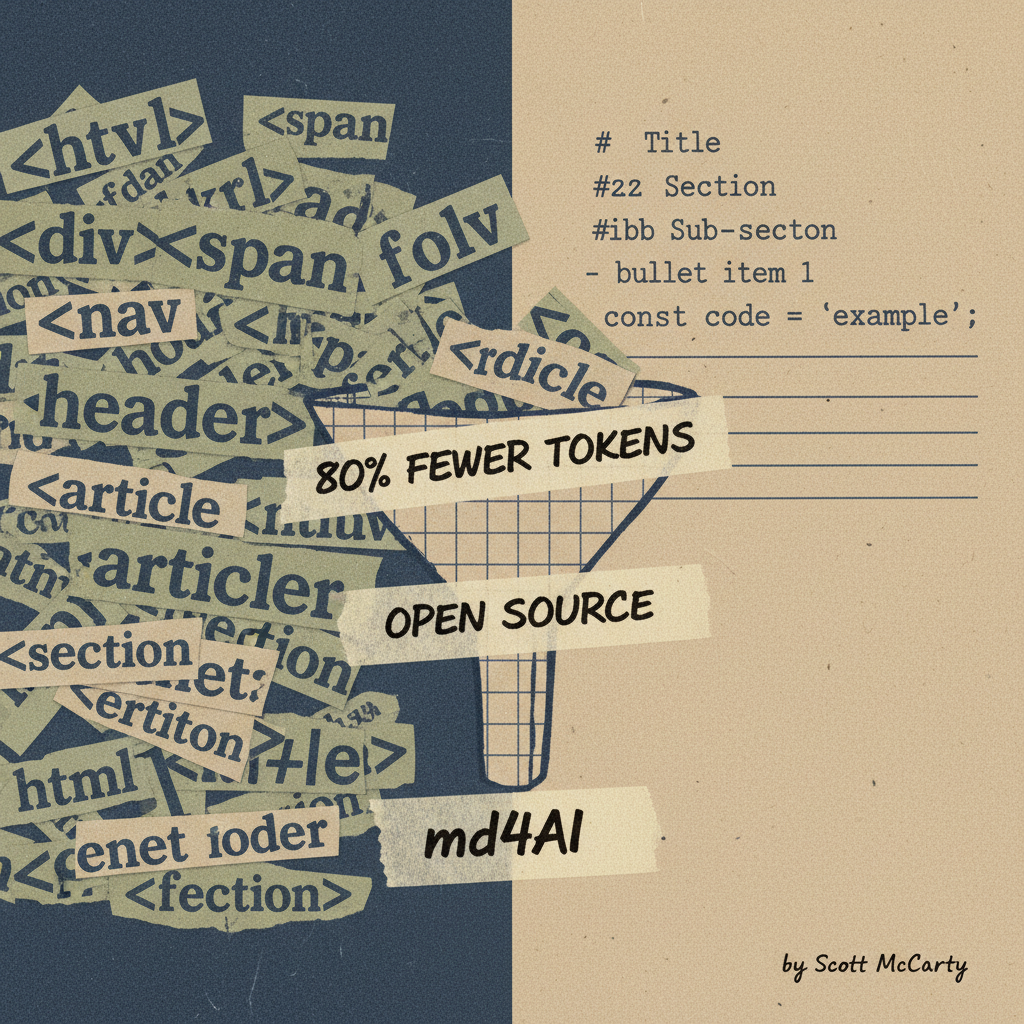
Cloudflare announced Markdown for Agents on February 12th, and it’s one of those features that makes you stop and think about how fundamentally the web is changing. The idea is simple: when an AI agent requests your content, Cloudflare converts the HTML to clean Markdown at the edge before serving it. The result is an
Continue Reading “Your Blog Needs an AI-Friendly Front Door”
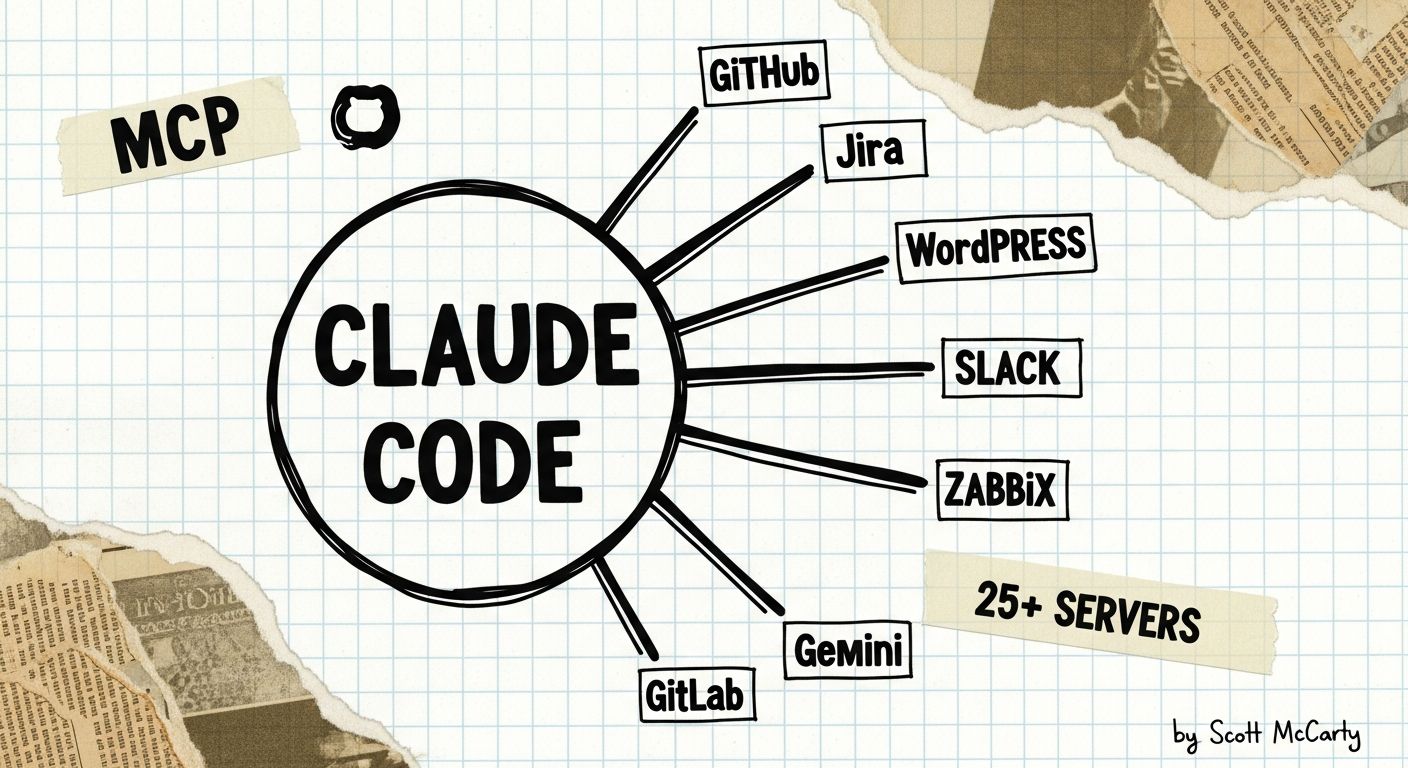
I’ve been building MCP servers for the last couple of months, and at this point I have over 25 of them wired into Claude Code. If you’re not familiar with MCP, it’s a protocol that lets AI assistants connect directly to external tools and data sources. Instead of copying and pasting information between applications, you
Continue Reading “My MCP Server Setup: A Practical Guide to Wiring AI Into Everything”