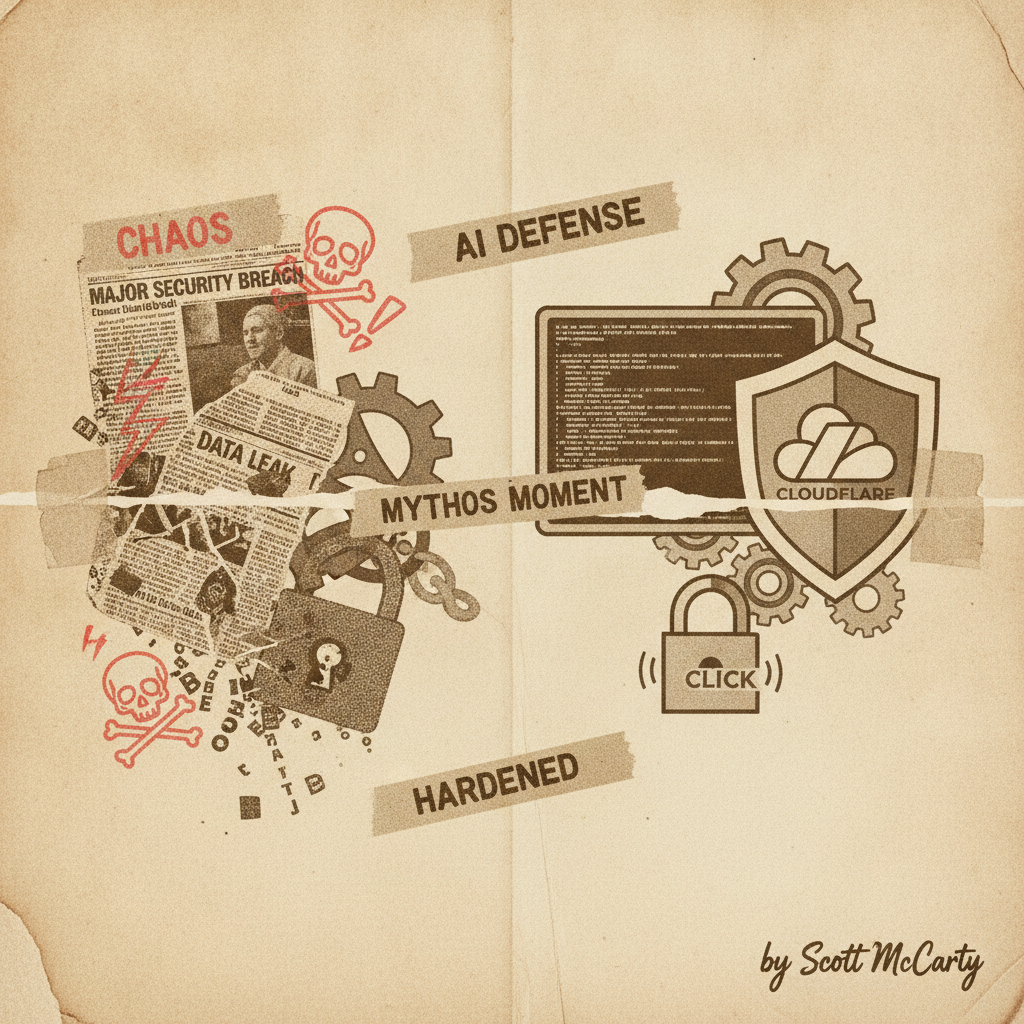
How I got hacked twice in one month by two different attackers — and fixed it with 3-5 AI prompts while on work calls. My personal Mythos moment.
My Personal Mythos Moment
How I got hacked twice in one month by two different attackers — and fixed it with 3-5 AI prompts while on work calls. My personal Mythos moment.
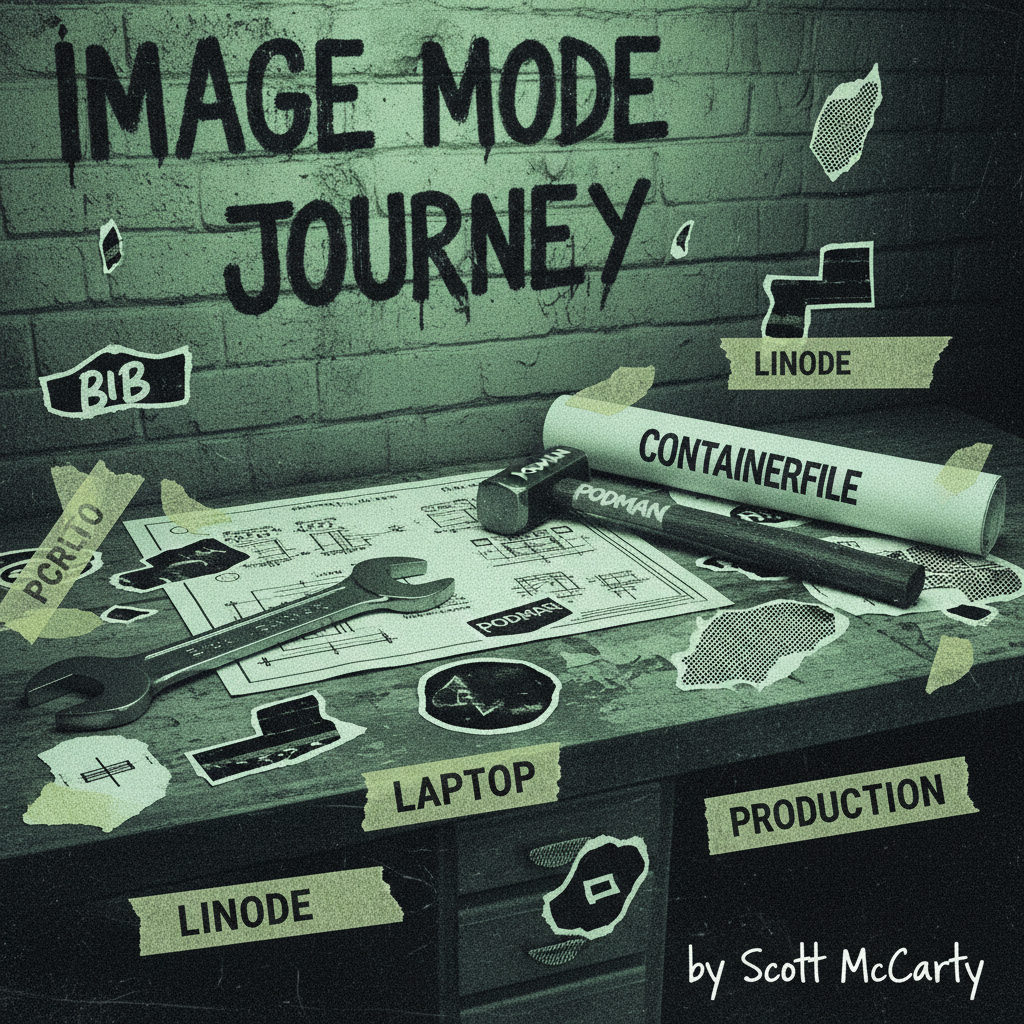
I’ve been running RHEL 10 image mode on my laptop since a few days before Red Hat Summit in May 2025, and I recently deployed it on a Linode VPS on March 4th. The whole experience has taught me something about how people actually adopt this technology, because I think the journey looks a lot
Continue Reading “The Image Mode Journey: From Your Laptop to Production”
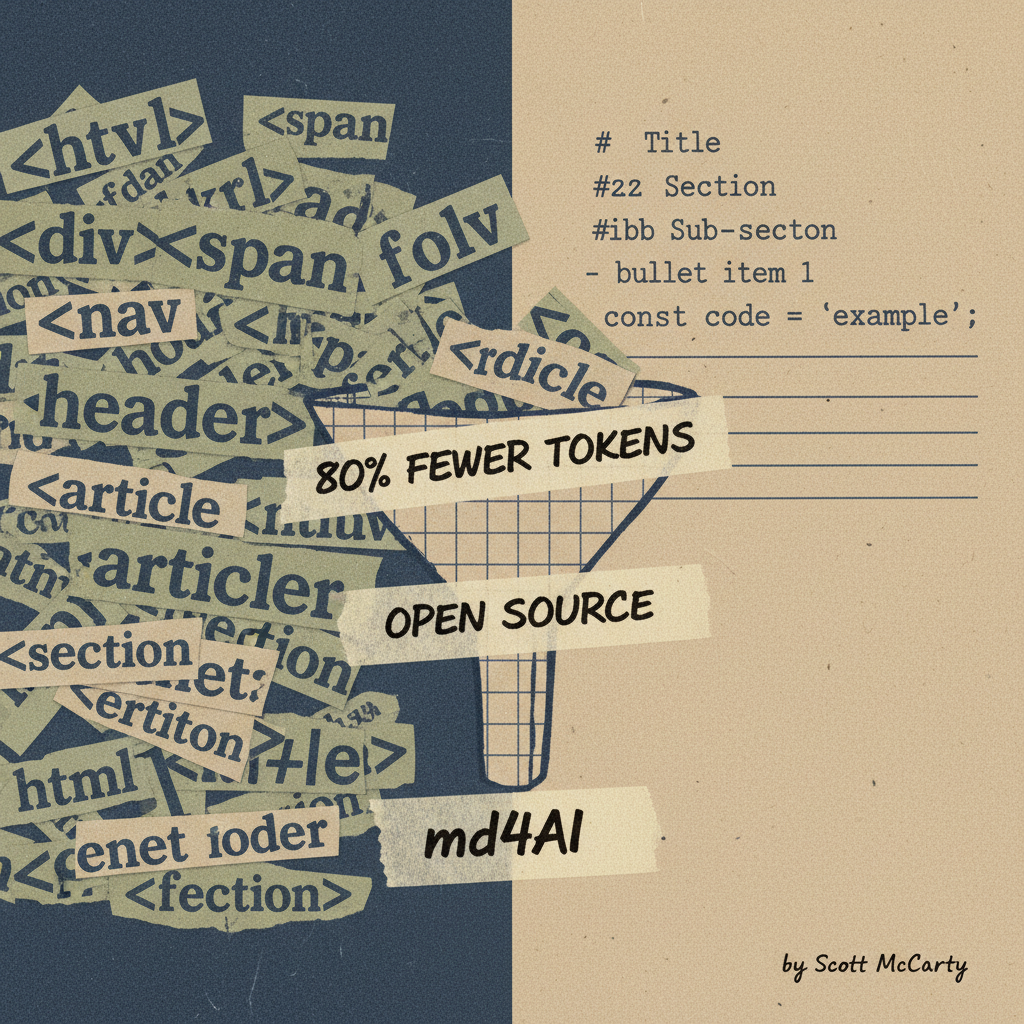
Cloudflare announced Markdown for Agents on February 12th, and it’s one of those features that makes you stop and think about how fundamentally the web is changing. The idea is simple: when an AI agent requests your content, Cloudflare converts the HTML to clean Markdown at the edge before serving it. The result is an
Continue Reading “Your Blog Needs an AI-Friendly Front Door”
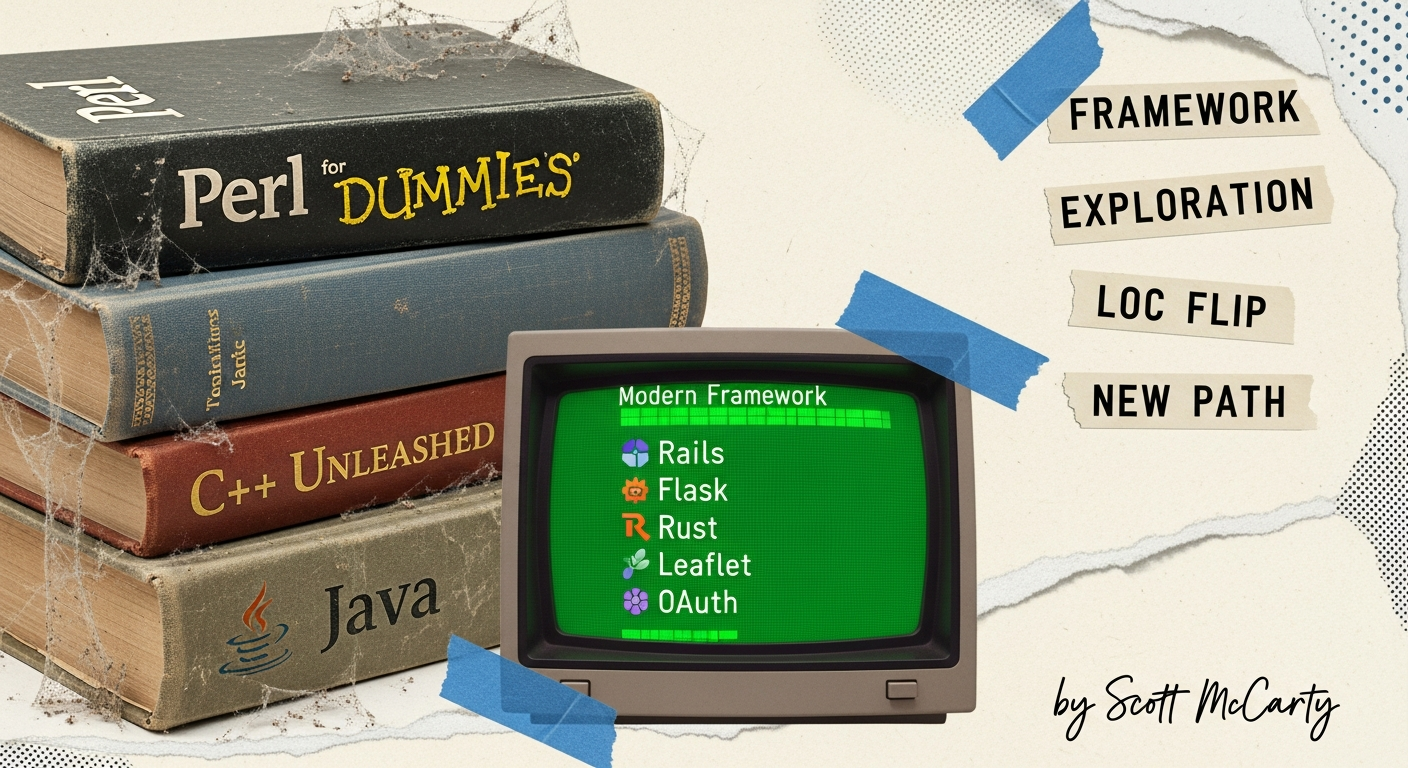
There’s a conversation happening in every Slack channel, at every meetup, and honestly in every bar near a tech conference right now. The “old guard” of software engineering, and I count myself among them, is worried about the next generation of developers. The concern goes something like this: if young developers are just using AI
Continue Reading “How Will They Ever Learn Architecture If They Never Learn to Code?”
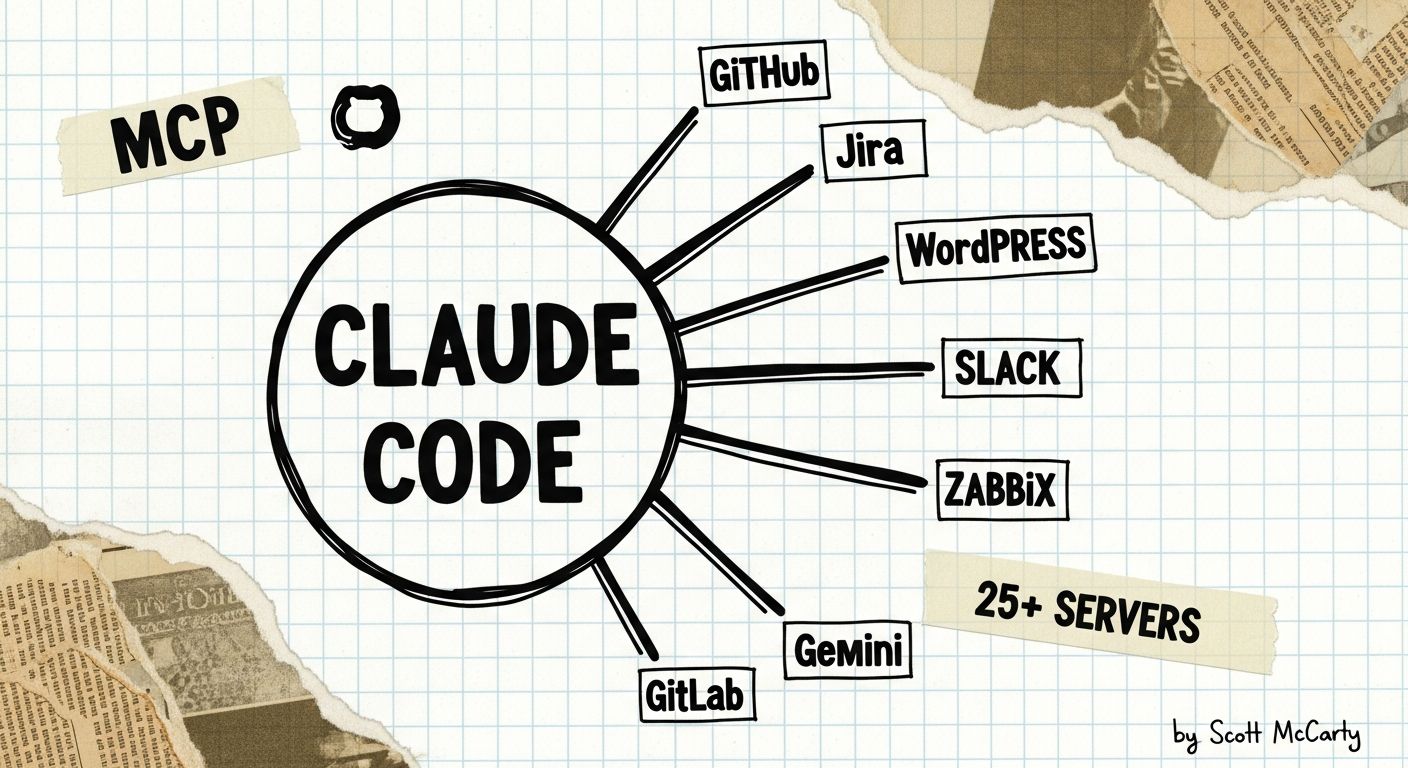
I’ve been building MCP servers for the last couple of months, and at this point I have over 25 of them wired into Claude Code. If you’re not familiar with MCP, it’s a protocol that lets AI assistants connect directly to external tools and data sources. Instead of copying and pasting information between applications, you
Continue Reading “My MCP Server Setup: A Practical Guide to Wiring AI Into Everything”
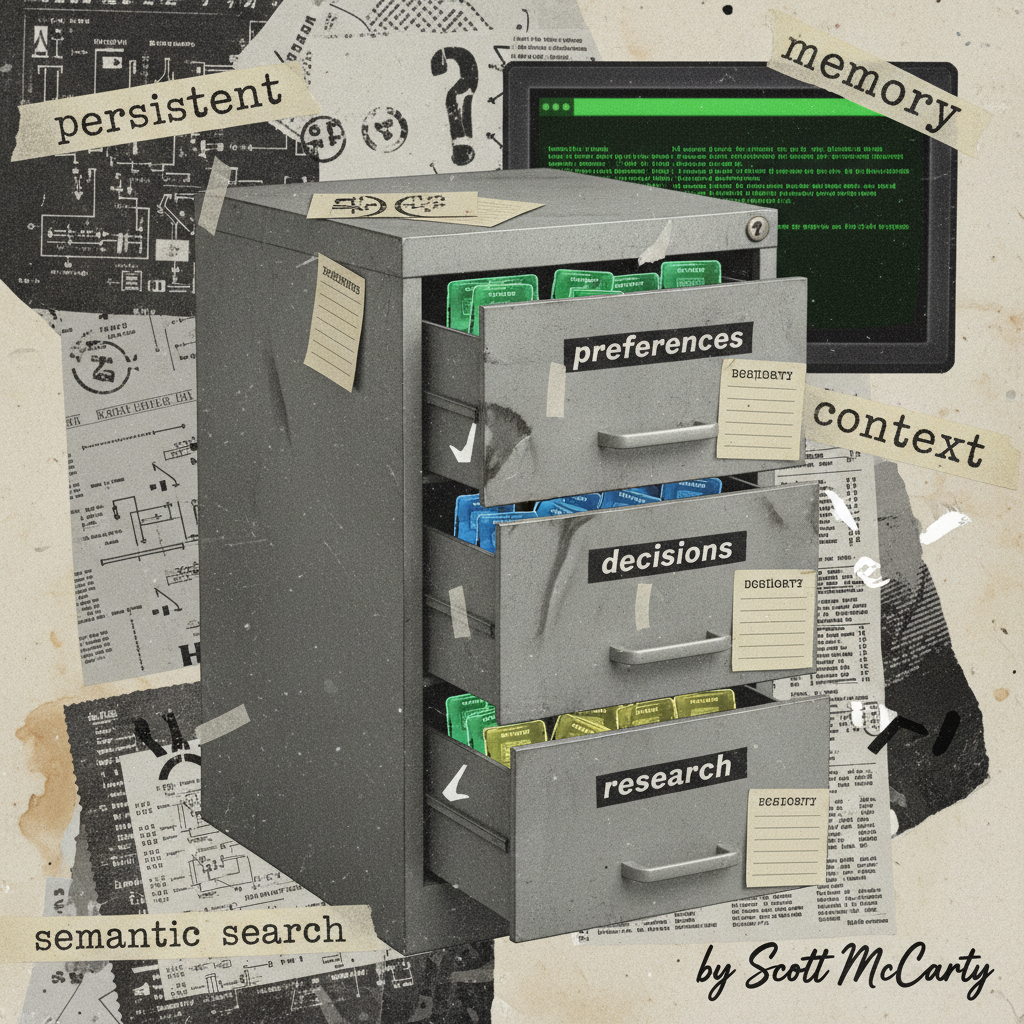
Claude Code doesn’t remember anything between sessions. Every time you start a new session, it’s a blank slate. You can stuff context into CLAUDE.md files, but that’s static text, not searchable memory. It doesn’t learn your preferences, remember your decisions, or recall the research you did yesterday. The fix is an MCP memory server. I’ve
Continue Reading “Claude Code MCP Memory Server: SSE Transport, systemd, and the Cold Start Fix”
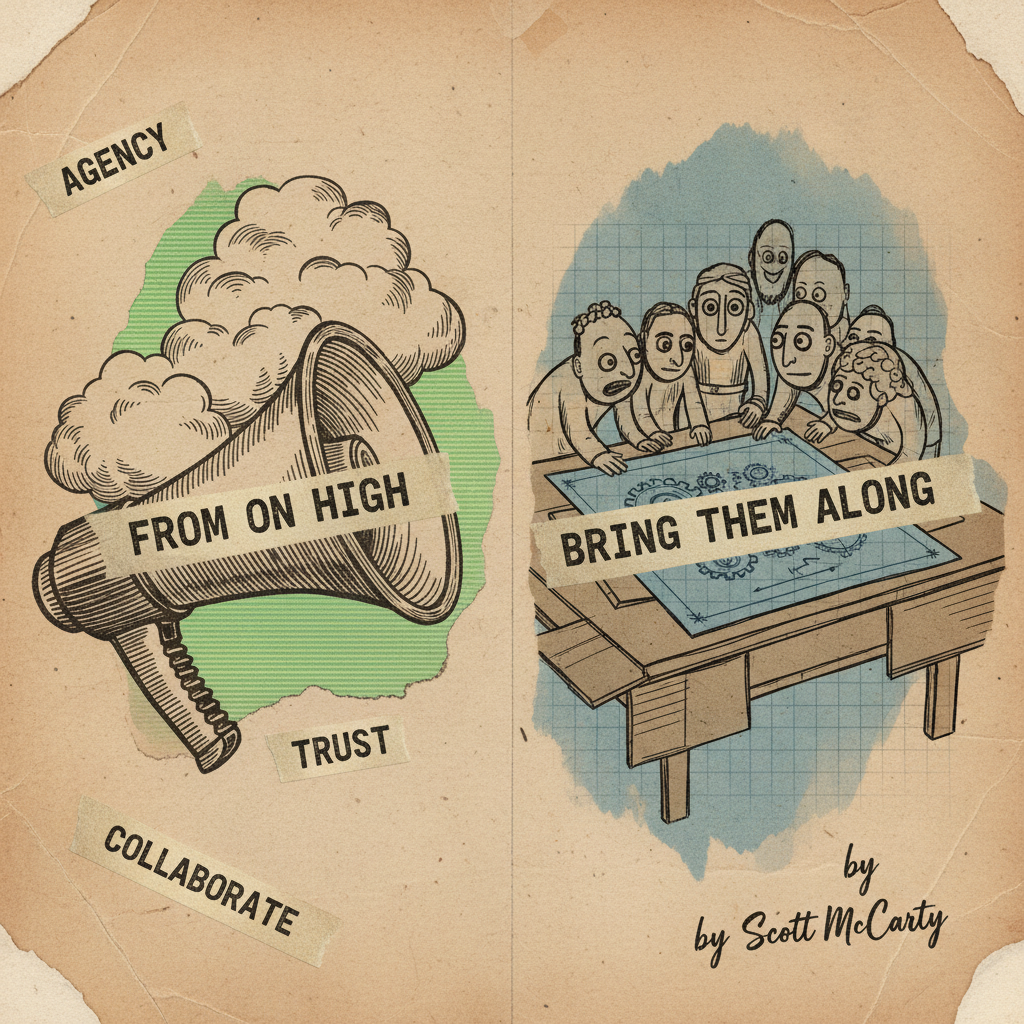
In large enterprise software companies like Red Hat, two organizations build the product: the Business Unit (BU) and the Engineering org. The BU owns business strategy, market positioning, pricing, and customer relationships. Engineering writes the code and ships the bits. These aren’t adversaries. They’re two halves of the same machine. Steven Sinofsky, who ran Microsoft
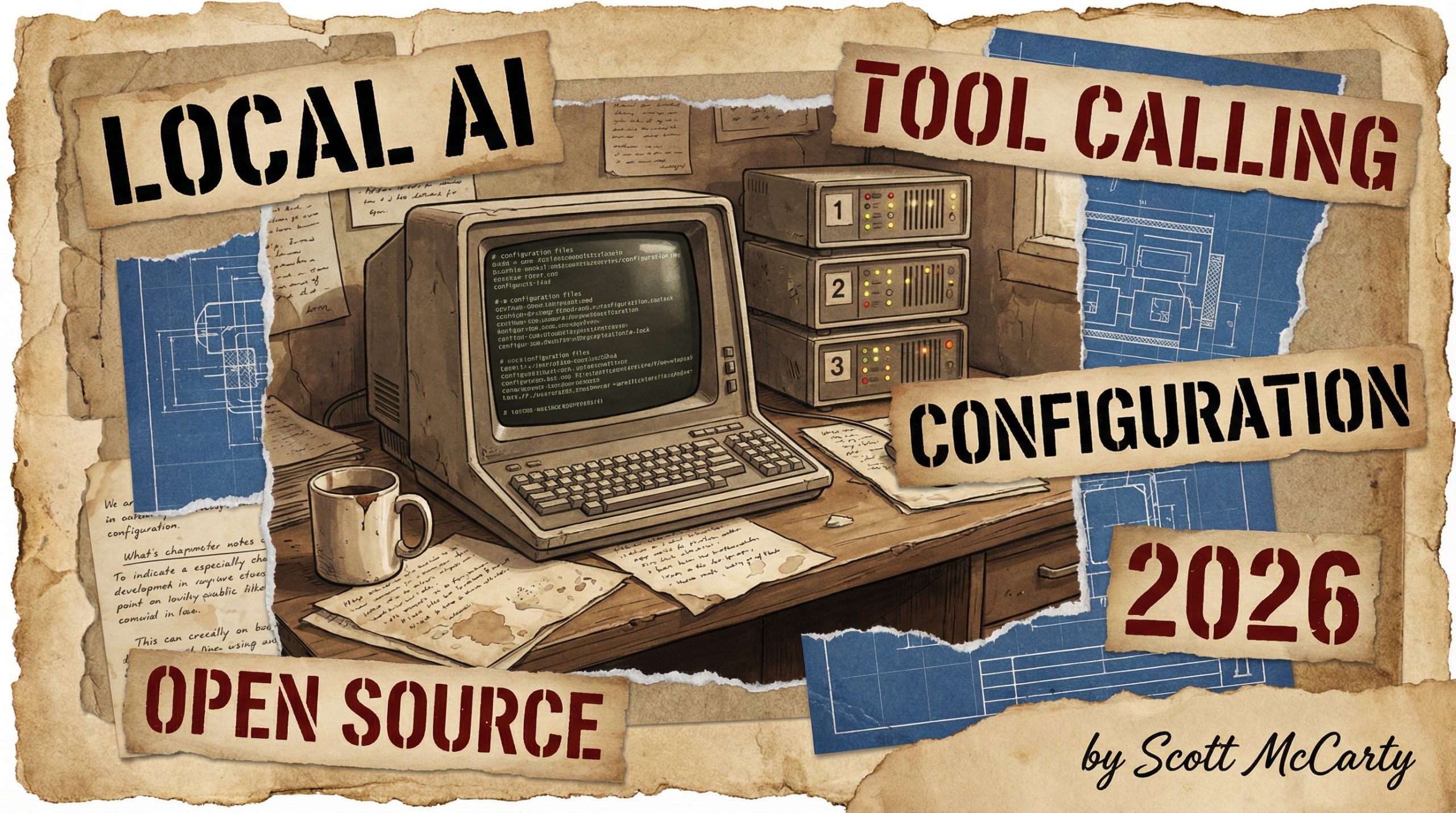
There’s a lot of negativity toward AI in the Fedora and RHEL communities right now. I get it — the hype cycle is real, and a lot of the marketing is insufferable. But I think the negativity is causing people to tune out, and when you tune out, you miss genuinely cool work that’s directly
Continue Reading “Local Models and Open Source Agents (and Why You Need to Pay Attention)”
This is the way….. Have three day planning meeting with 15 people, for a large product with 2000+ people involved in total Use Jira or other tracking software to refine Market Problems and Features Use auto-transcribe for most meetings, but have a couple of non-recorded meetings to discuss sensitive topics Share the transcripts with the
Continue Reading “If You’re Not Using AI This Way, You’re Doing it Wrong”
I recently wrote this to highlight real world use cases where I believe LLMs/Generative can actually help. Instead of fluff, I tried to break down real challenges for sysadmins. https://www.infoworld.com/article/3482087/what-generative-ai-can-do-for-sysadmins.html