
Petit, my command line log analysis tool from 2009, is back. It shrank logs for sysadmins, and now it shrinks them for AI agents too.
Continue Reading “Command Line Log Analysis Meets the Age of Agents”
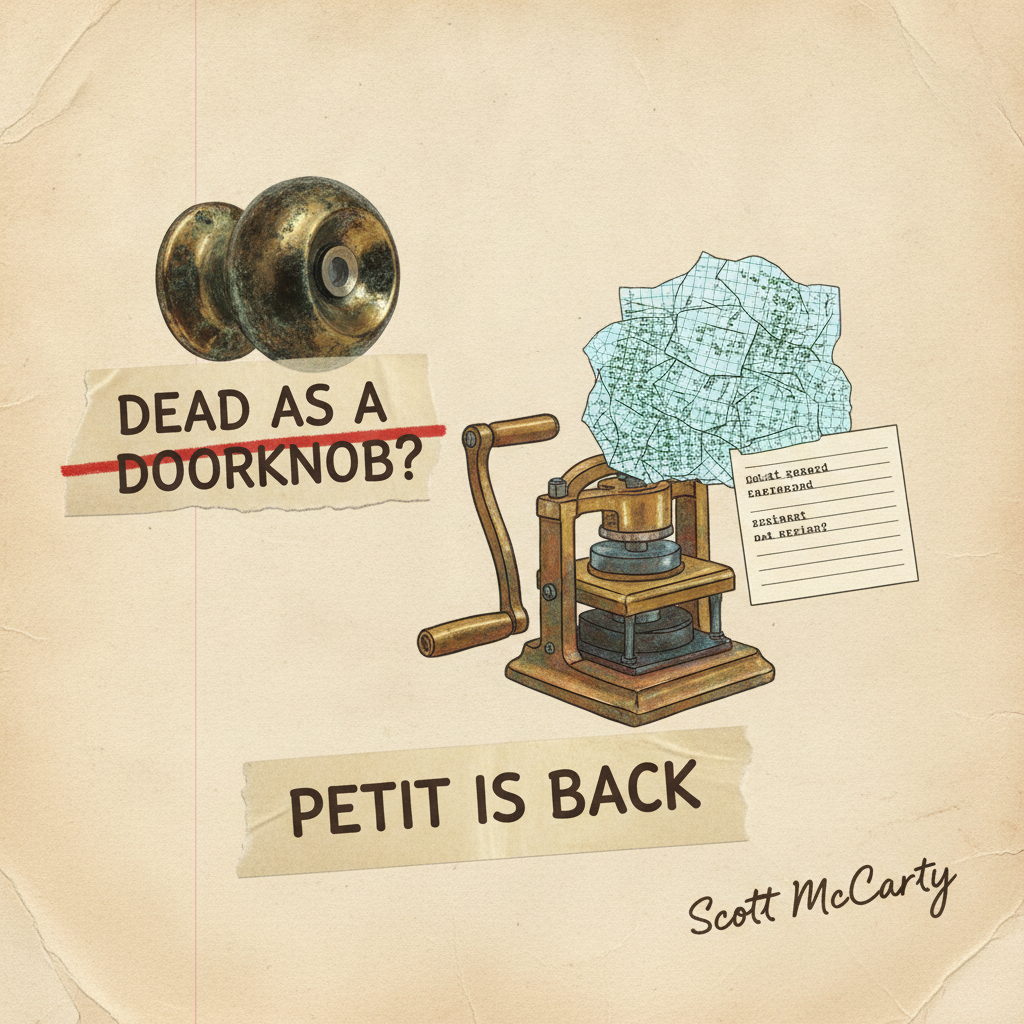
Petit, my command line log analysis tool from 2009, is back. It shrank logs for sysadmins, and now it shrinks them for AI agents too.
Continue Reading “Command Line Log Analysis Meets the Age of Agents”

Discovery and remediation are hard, but absorbing security updates is the final hurdle. What I’m seeing in 30 Red Hat Enterprise Linux customer meetings.

If you’ve been following Trentina, you know I’ve been beating the drum on prompt injection defense for a while now. I built a three-layer quarantine system, wrote about prompt injection in terms of epidemiology, and generally been that guy at the party who won’t shut up about how your AI agent is going to get
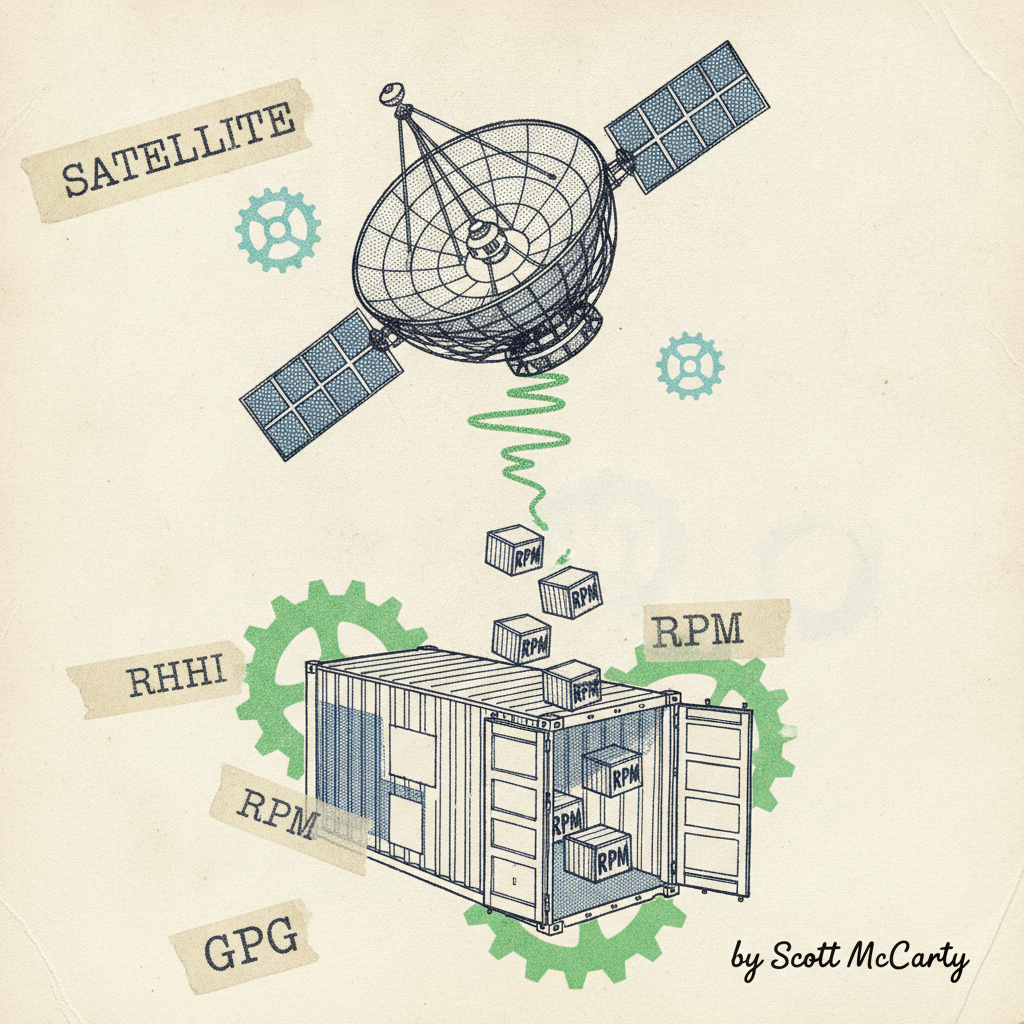
Sync Red Hat Hardened Images RPM packages to Red Hat Satellite with full GPG validation — ideal for building containers in disconnected environments.
Continue Reading “Synchronizing Red Hat Hardened Images Packages to Red Hat Satellite”
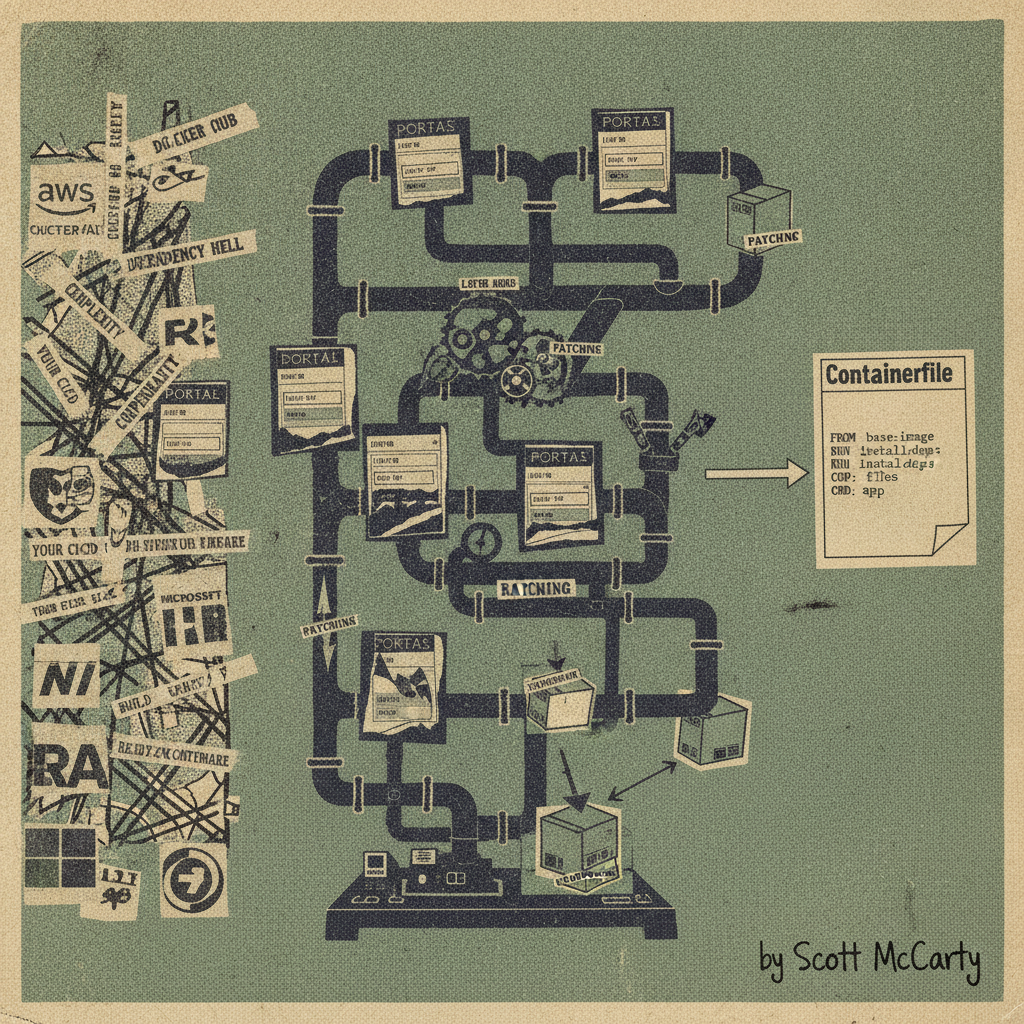
I’ve been having a lot of conversations lately with people who are evaluating hardened container image vendors, and one particular feature keeps coming up that, frankly, surprises me. Customers are asking vendors like Docker and Chainguard to pre-inject customizations into container images on their behalf, things like CA certificates, security configurations, and other environment-specific tweaks.
Continue Reading “Your Container Image Customizations Belong to You, Not Your Vendor”
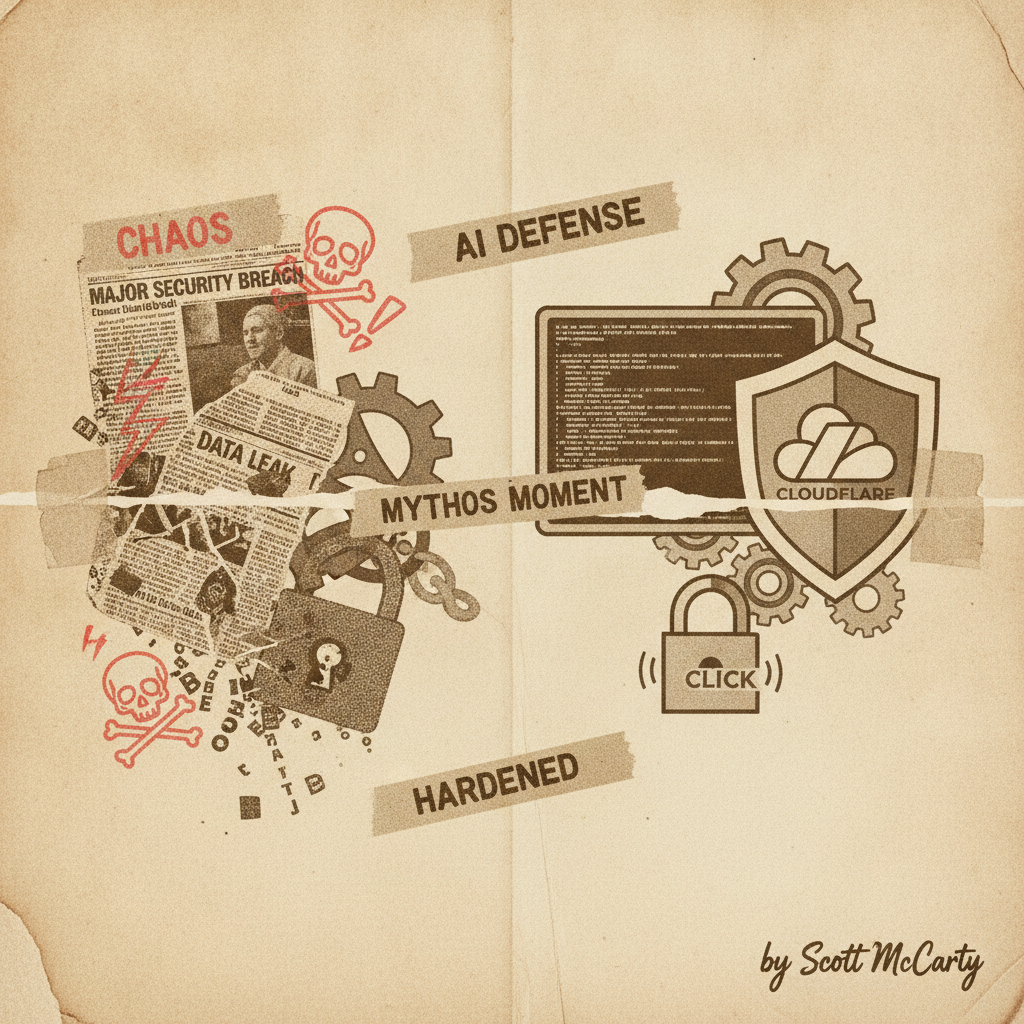
How I got hacked twice in one month by two different attackers — and fixed it with 3-5 AI prompts while on work calls. My personal Mythos moment.
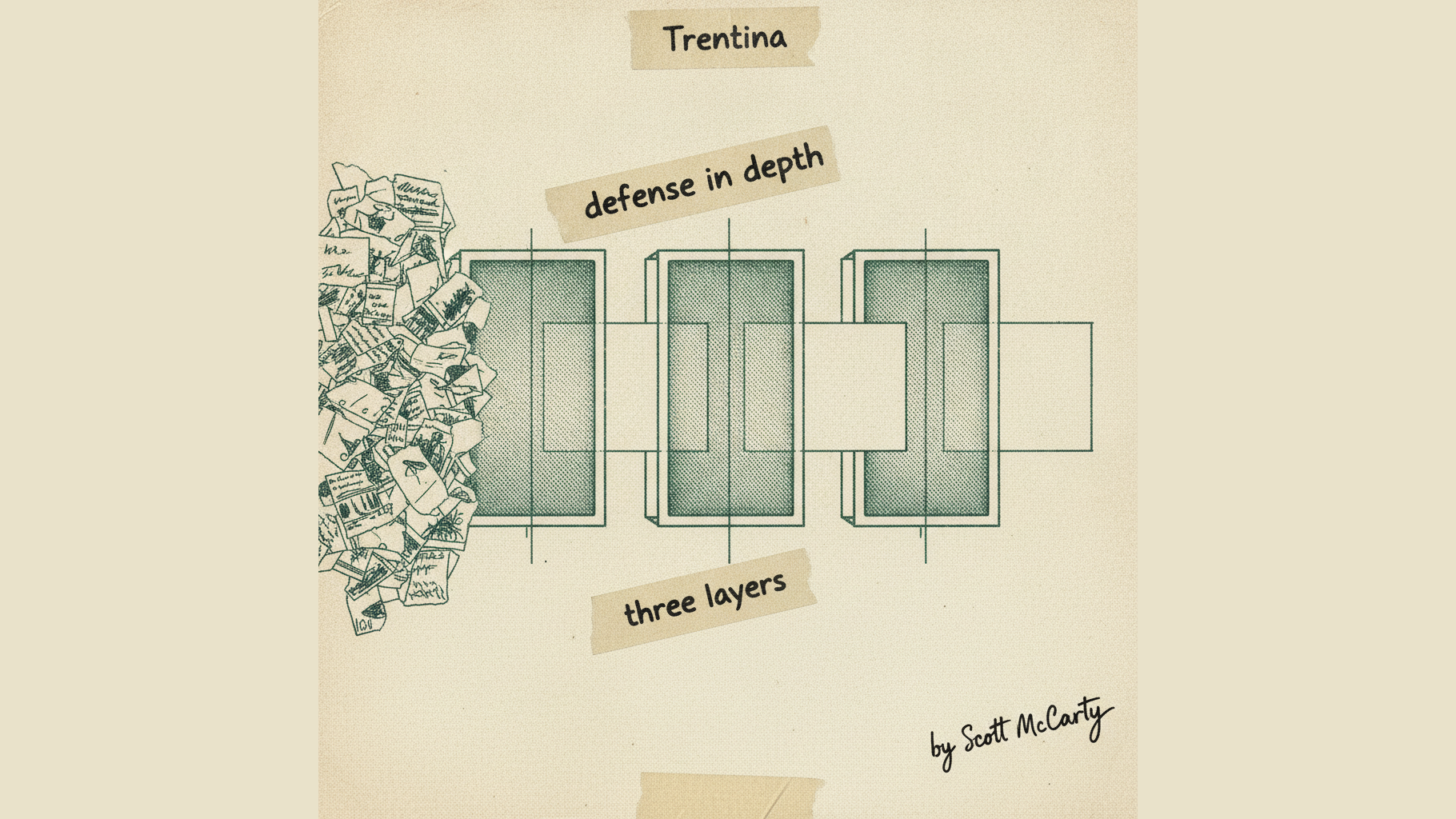
A prompt injection doesn’t have to act to be dangerous. It can hide, copy itself, and spread agent to agent. Why AI security is an epidemiology problem, and how to respond.
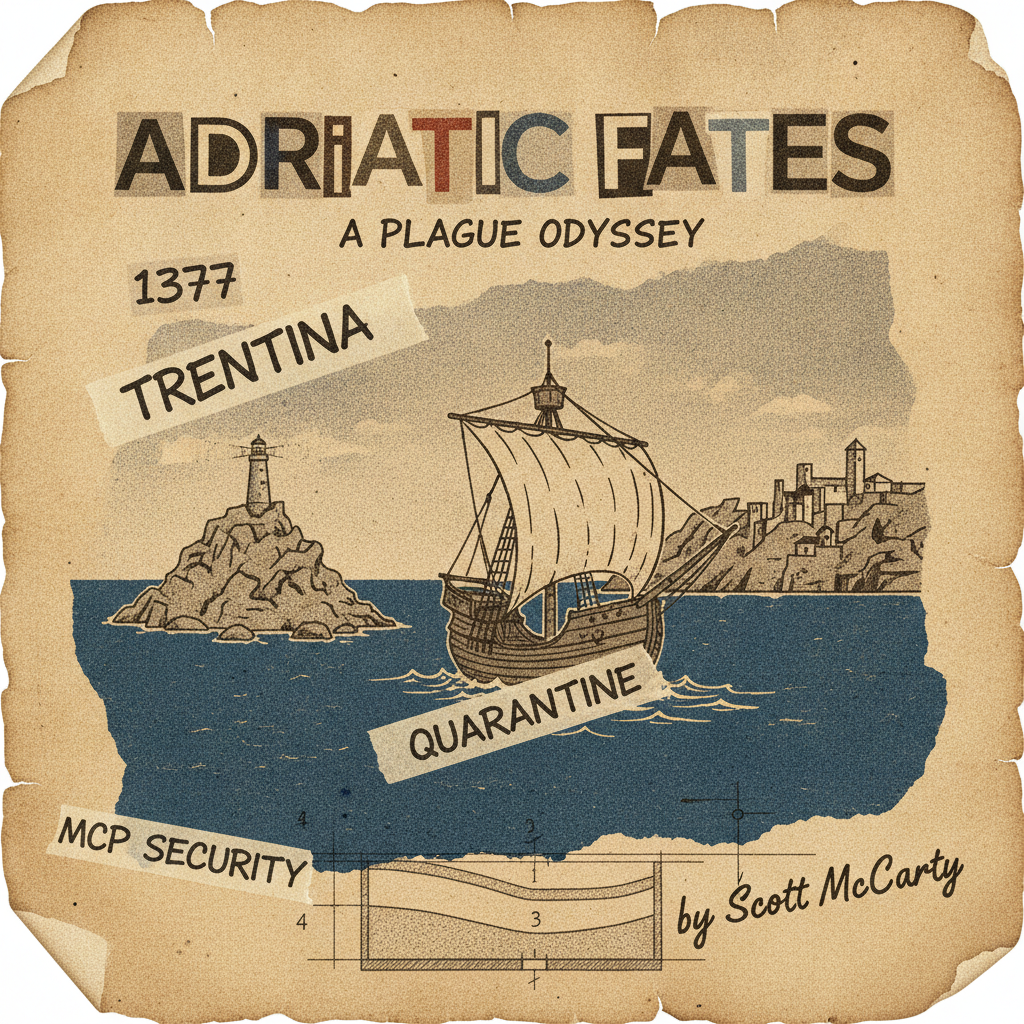
MCP-Airlock is becoming Trentina — named after the 1377 quarantine system from Ragusa that inspired its architecture. Same three-layer defense, same gateway, better name.
Continue Reading “MCP-Airlock Is Now Trentina: The 1377 Quarantine That Inspired Our Rename”
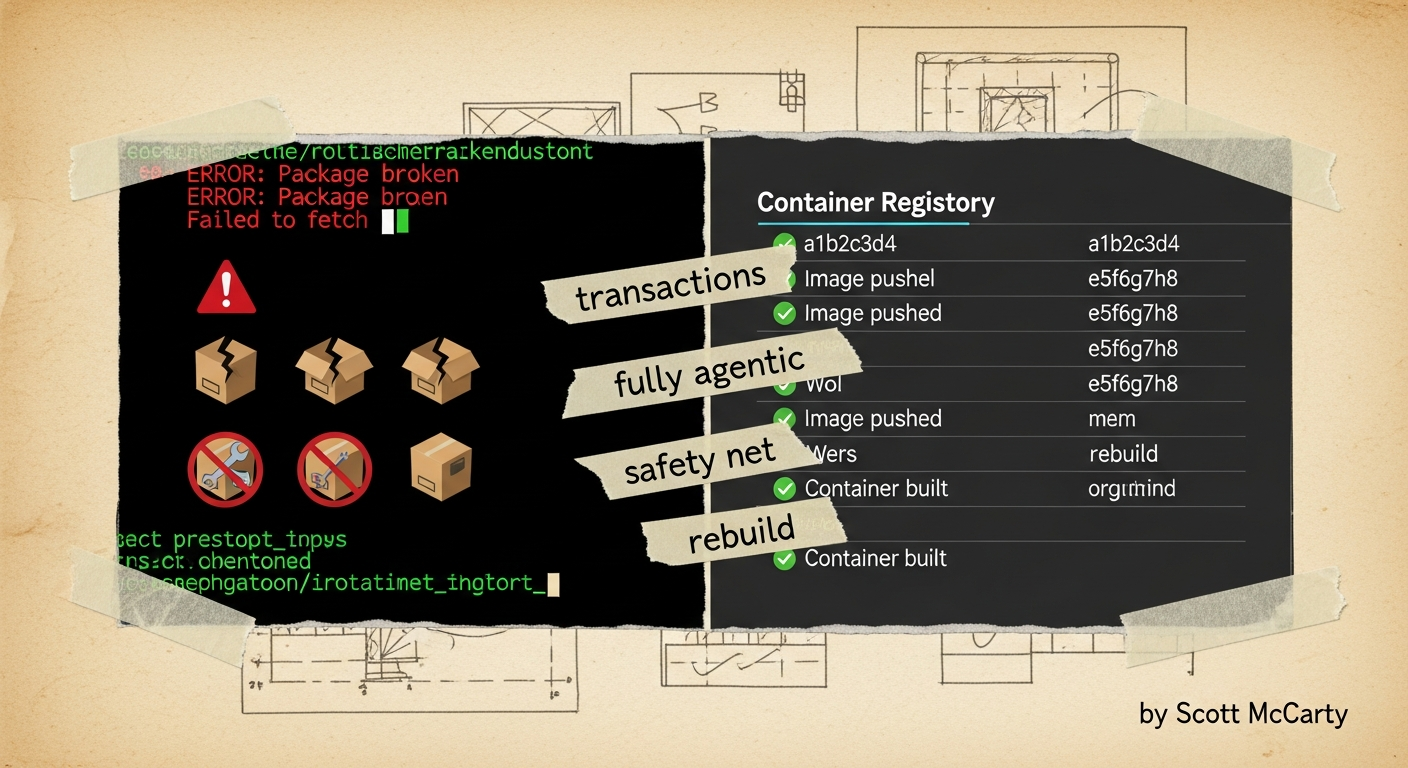
I’ve been running Claude Code on my RHEL 10 workstation for a few months now, and I have to admit, with some embarrassment, I often run it with the ominous –dangerously-skip-permissions option. It reads and writes files, executes shell commands, installs packages, modifies system configs, all without asking permission first. I’ve been letting an AI
Continue Reading “image mode Gave Me the Confidence to Go Fully Agentic”
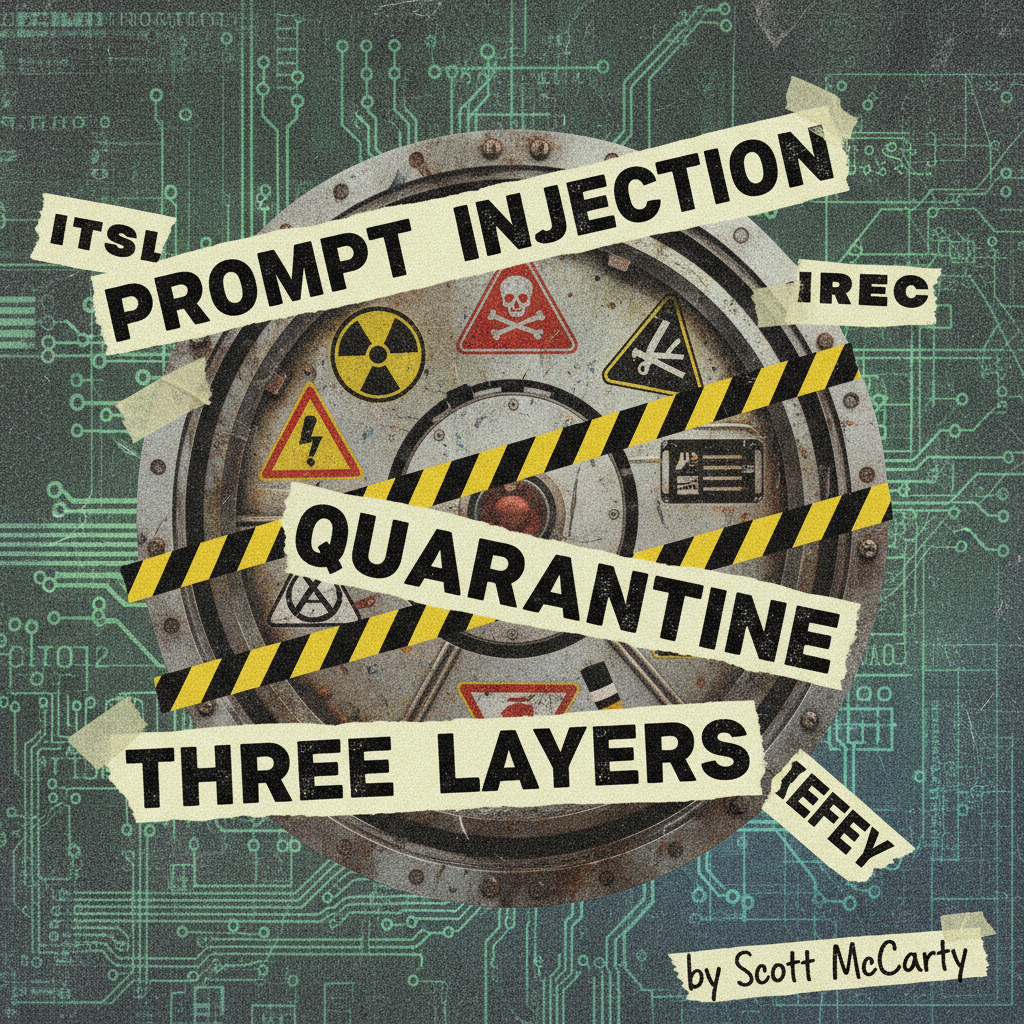
Update (June 2026): MCP-Airlock has been renamed to Trentina. The project has grown from a web content sanitizer into a full MCP gateway with per-consumer profiles, tool allowlists, and parameter-level access controls. The new name reflects that expanded scope — and avoids a naming collision with another MCP gateway project. The architecture described in this
Continue Reading “MCP-Airlock: An Open Source Defense Against Prompt Injection in AI Agents”