Running a Fully Local Voice Pipeline for Claude Code on RHEL 10 with Intel GPU Acceleration

Running a Fully Local Voice Pipeline for Claude Code on RHEL 10 with Intel GPU Acceleration
How I set up a fully local voice pipeline for Claude Code on RHEL 10 using Whisper.cpp, Kokoro TTS, and Intel Meteor Lake GPU acceleration via PyTorch XPU — achieving a 22x speedup with no cloud dependencies.

Local Models and Open Source Agents (and Why You Need to Pay Attention)

Local Models and Open Source Agents (and Why You Need to Pay Attention)

There’s a lot of negativity toward AI in the Fedora and RHEL communities right now. I get it — the hype cycle is real, and a lot of the marketing is insufferable. But I think the negativity is causing people to tune out, and when you tune out, you miss genuinely cool work that’s directly

Centos Connect 2026: Inside the RHEL 11 Planning Room: How Fedora and Stream Shape the Next Enterprise OS

Centos Connect 2026: Inside the RHEL 11 Planning Room: How Fedora and Stream Shape the Next Enterprise OS

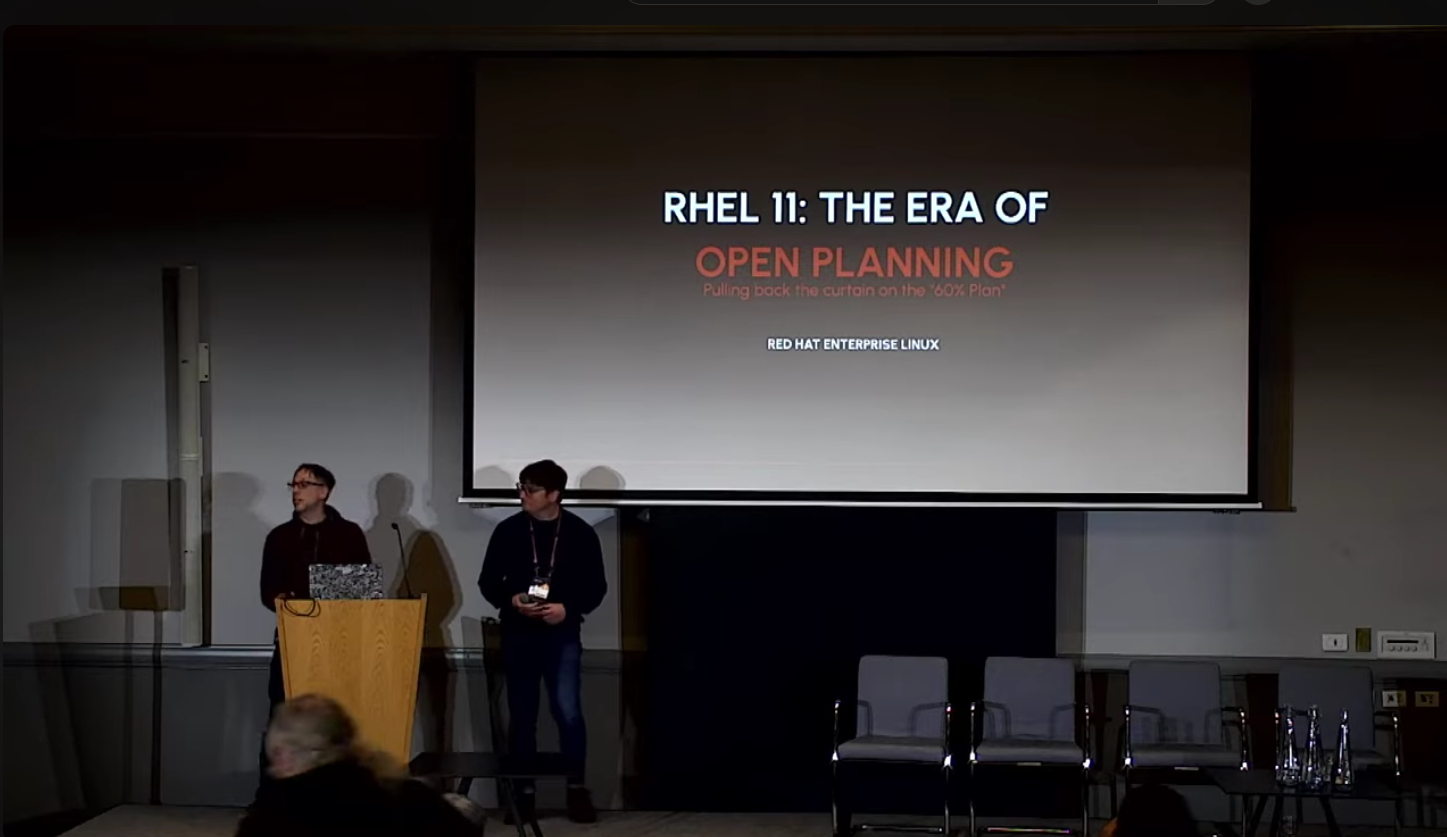
Friday, January 30, 2026 | Brussels, Belgium Speakers: Brian Stinson & Scott McCarty At CentOS Connect 2026, Brian Stinson and I presented “Inside the RHEL 11 Planning Room: How Fedora and Stream Shape the Next Enterprise OS.” Abstract Red Hat is unveiling an early “60% plan” for RHEL 11, currently in development. This presentation explores

Building MCP Servers the Right Way: Security, Standards, and Cross-Platform Design

Building MCP Servers the Right Way: Security, Standards, and Cross-Platform Design

I just released my first MCP server: mcp-cloudflare-crunchtools. It lets Claude Code (and other MCP-compatible AI assistants) manage Cloudflare DNS records, Transform Rules, Page Rules, and cache. But this post isn’t really about Cloudflare—it’s about how I built this server and why I think it matters for the emerging MCP ecosystem. As I’ve gotten deeper