Why the Fedora Sandbox Would Have Helped Podman Survive Its Early Days

Why the Fedora Sandbox Would Have Helped Podman Survive Its Early Days

I’ve been following the conversation around Jef Spaleta’s Fedora Sandbox proposal with a lot of interest, and I think it’s worth sharing some perspective from someone who lived through exactly the kind of situation this framework is designed for. When Podman was getting started, we didn’t have anything like a structured lifecycle process in Fedora,

My Print Screen Key Stopped Working….

My Print Screen Key Stopped Working….
My Print Screen Key Stopped Working

My print screen key on my external keyboard stopped working. Not the one built into the laptop, that was working fine. The one on my external keyboard. It had worked fine, and then it randomly stopped working! Why? I have no idea. This kind of thing isn’t supposed to happen in computers, but we all

Your Blog Needs an AI-Friendly Front Door

Your Blog Needs an AI-Friendly Front Door

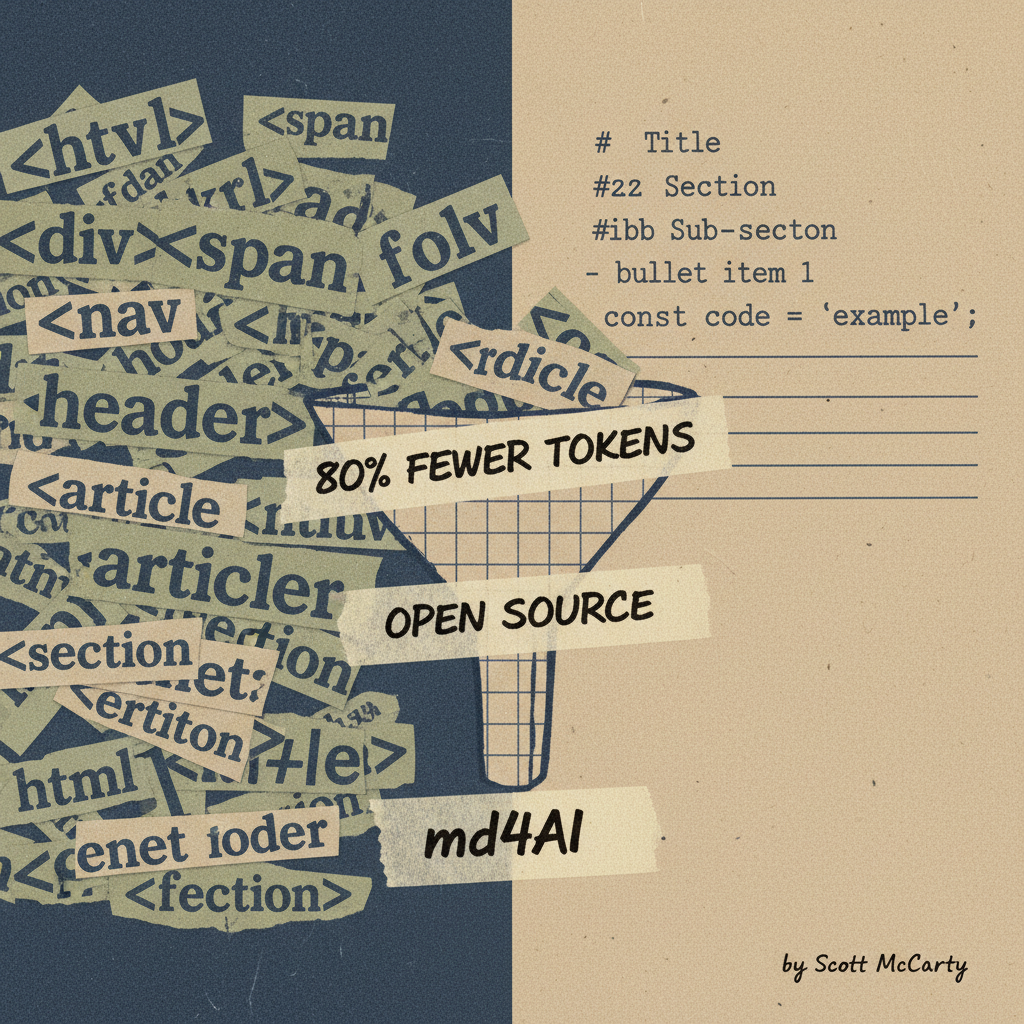
Cloudflare announced Markdown for Agents on February 12th, and it’s one of those features that makes you stop and think about how fundamentally the web is changing. The idea is simple: when an AI agent requests your content, Cloudflare converts the HTML to clean Markdown at the edge before serving it. The result is an

How Will They Ever Learn Architecture If They Never Learn to Code?

How Will They Ever Learn Architecture If They Never Learn to Code?
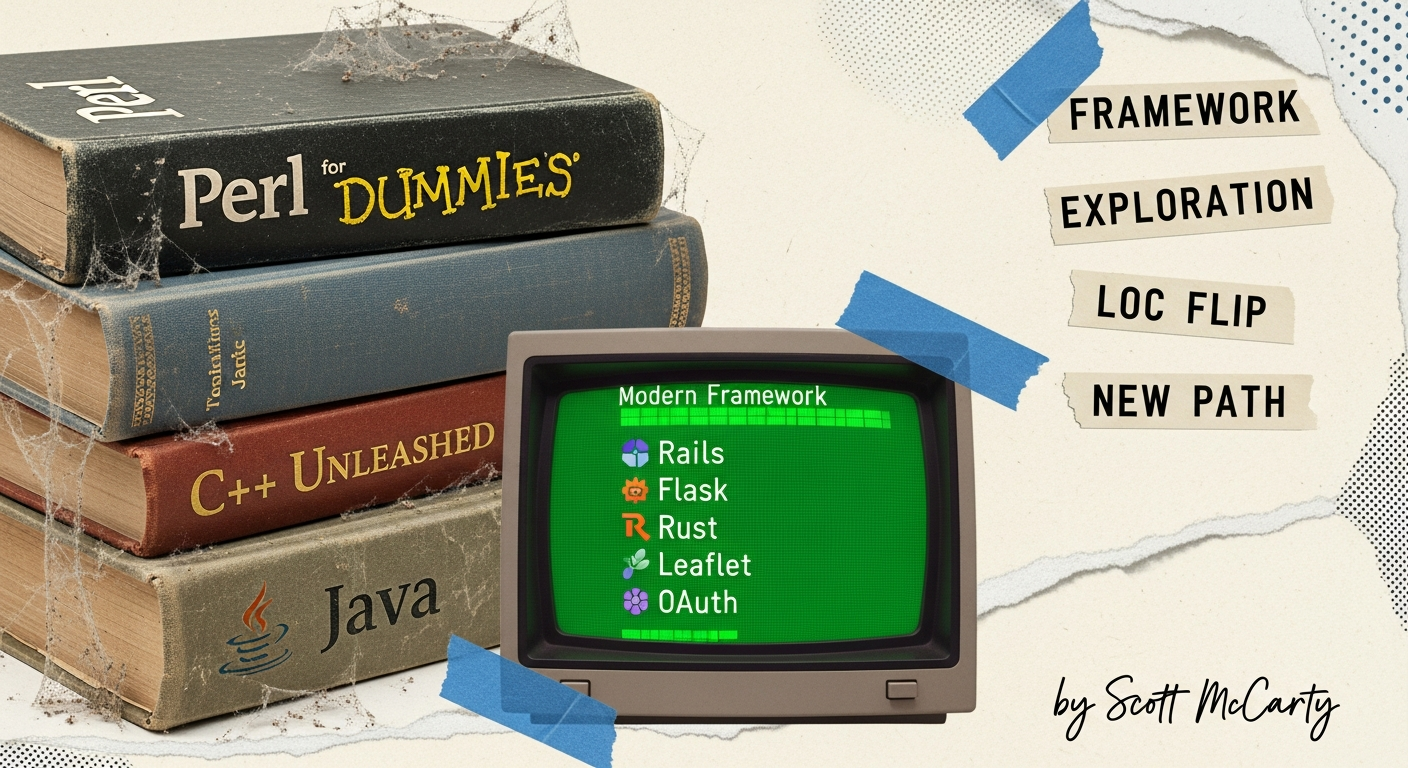
How Will They Ever Learn Architecture If They Never Learn to Code? - 90s zine collage with old programming books and a CRT monitor showing modern frameworks

There’s a conversation happening in every Slack channel, at every meetup, and honestly in every bar near a tech conference right now. The “old guard” of software engineering, and I count myself among them, is worried about the next generation of developers. The concern goes something like this: if young developers are just using AI

My MCP Server Setup: A Practical Guide to Wiring AI Into Everything

My MCP Server Setup: A Practical Guide to Wiring AI Into Everything

I’ve been building MCP servers for the last couple of months, and at this point I have over 25 of them wired into Claude Code. If you’re not familiar with MCP, it’s a protocol that lets AI assistants connect directly to external tools and data sources. Instead of copying and pasting information between applications, you

An Agent Wrote the Code. An Agent Reviewed the Code. A Human Merged It in Three Hours.

An Agent Wrote the Code. An Agent Reviewed the Code. A Human Merged It in Three Hours.

I recently wrote about giving Claude Code persistent memory using the MCP Memory Service. Go read that if you want the why. This post is about something else entirely. This post is about speed. I needed a feature in an open source project. I used an agent to write the code. A different agent reviewed

How to Give Claude Code Persistent Memory

How to Give Claude Code Persistent Memory

Claude Code doesn’t remember anything between sessions. Every time you start a new session, it’s a blank slate. You can stuff context into CLAUDE.md files, but that’s static text, not searchable memory. It doesn’t learn your preferences, remember your decisions, or recall the research you did yesterday. The fix is an MCP memory server. I’ve

Stop Polishing the Cathedral

Stop Polishing the Cathedral
Stop Polishing the Cathedral - 90s zine collage showing megaphone from on high versus collaborative roundtable

In large enterprise software companies like Red Hat, two organizations build the product: the Business Unit (BU) and the Engineering org. The BU owns business strategy, market positioning, pricing, and customer relationships. Engineering writes the code and ships the bits. These aren’t adversaries. They’re two halves of the same machine. Steven Sinofsky, who ran Microsoft

Self-Hosting Postiz on RHEL 10: One Container, Six Platforms, Zero SaaS

Self-Hosting Postiz on RHEL 10: One Container, Six Platforms, Zero SaaS

I replaced Buffer with a self-hosted instance of Postiz running on RHEL 10. One Podman container. Six social media platforms. Full API control. This is the technical walkthrough of what I built and what broke along the way.

I Upgraded Request Tracker with an AI Co-Pilot. Here’s What Actually Happened.

I Upgraded Request Tracker with an AI Co-Pilot. Here’s What Actually Happened.
I Upgraded Request Tracker with an AI Co-Pilot. Here's What Actually Happened.

Request Tracker 4.4 reached end of life in November 2025. I’d been running RT 4.4.4 in a container on one of my Linode servers since 2020, and the upgrade to RT 6.0.2 had been sitting in my backlog for months. It’s the kind of task that’s never urgent until it is. You and I both