
A prompt injection doesn’t have to act to be dangerous. It can hide, copy itself, and spread agent to agent. Why AI security is an epidemiology problem, and how to respond.
The Prompt Injection That Copies Itself
A prompt injection doesn’t have to act to be dangerous. It can hide, copy itself, and spread agent to agent. Why AI security is an epidemiology problem, and how to respond.
MCP-Airlock is becoming Trentina — named after the 1377 quarantine system from Ragusa that inspired its architecture. Same three-layer defense, same gateway, better name.
Continue Reading “MCP-Airlock Is Now Trentina: The 1377 Quarantine That Inspired Our Rename”
Six years ago, I wrote about the good, better, best approach to Linux quality when evaluating container images. The same framework applies to desktop Linux distributions – maybe even more so, because desktops have a GUI that’s notoriously hard to test automatically. Here’s what I wrote: Good: Use a bug tracker and collect problems as
Continue Reading “Project Bluefin is Helping Prove That Dark Factories Work for Operating Systems”
Update (June 2026): MCP-Airlock has been renamed to Trentina. The project has grown from a web content sanitizer into a full MCP gateway with per-consumer profiles, tool allowlists, and parameter-level access controls. The new name reflects that expanded scope — and avoids a naming collision with another MCP gateway project. The architecture described in this
Continue Reading “MCP-Airlock: An Open Source Defense Against Prompt Injection in AI Agents”
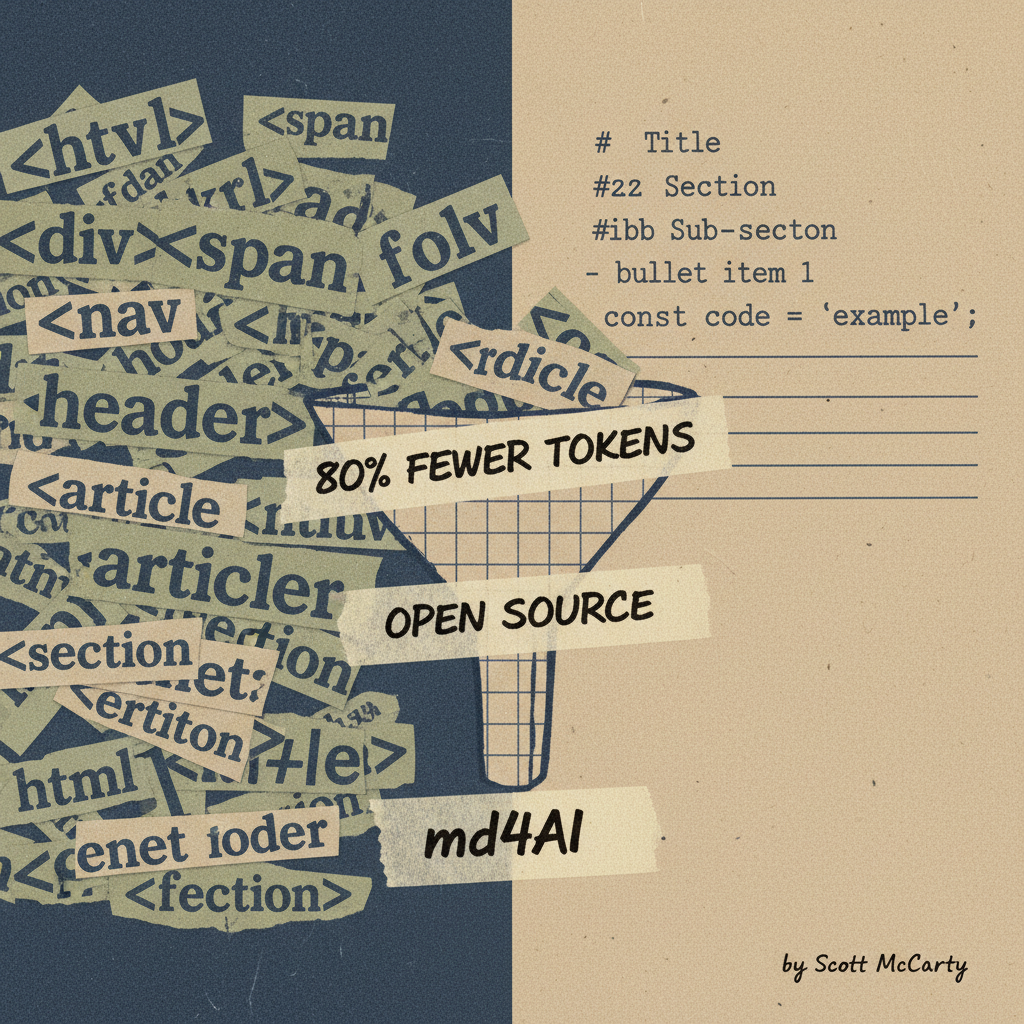
Cloudflare announced Markdown for Agents on February 12th, and it’s one of those features that makes you stop and think about how fundamentally the web is changing. The idea is simple: when an AI agent requests your content, Cloudflare converts the HTML to clean Markdown at the edge before serving it. The result is an
Continue Reading “Your Blog Needs an AI-Friendly Front Door”
There’s a conversation happening in every Slack channel, at every meetup, and honestly in every bar near a tech conference right now. The “old guard” of software engineering, and I count myself among them, is worried about the next generation of developers. The concern goes something like this: if young developers are just using AI
Continue Reading “How Will They Ever Learn Architecture If They Never Learn to Code?”
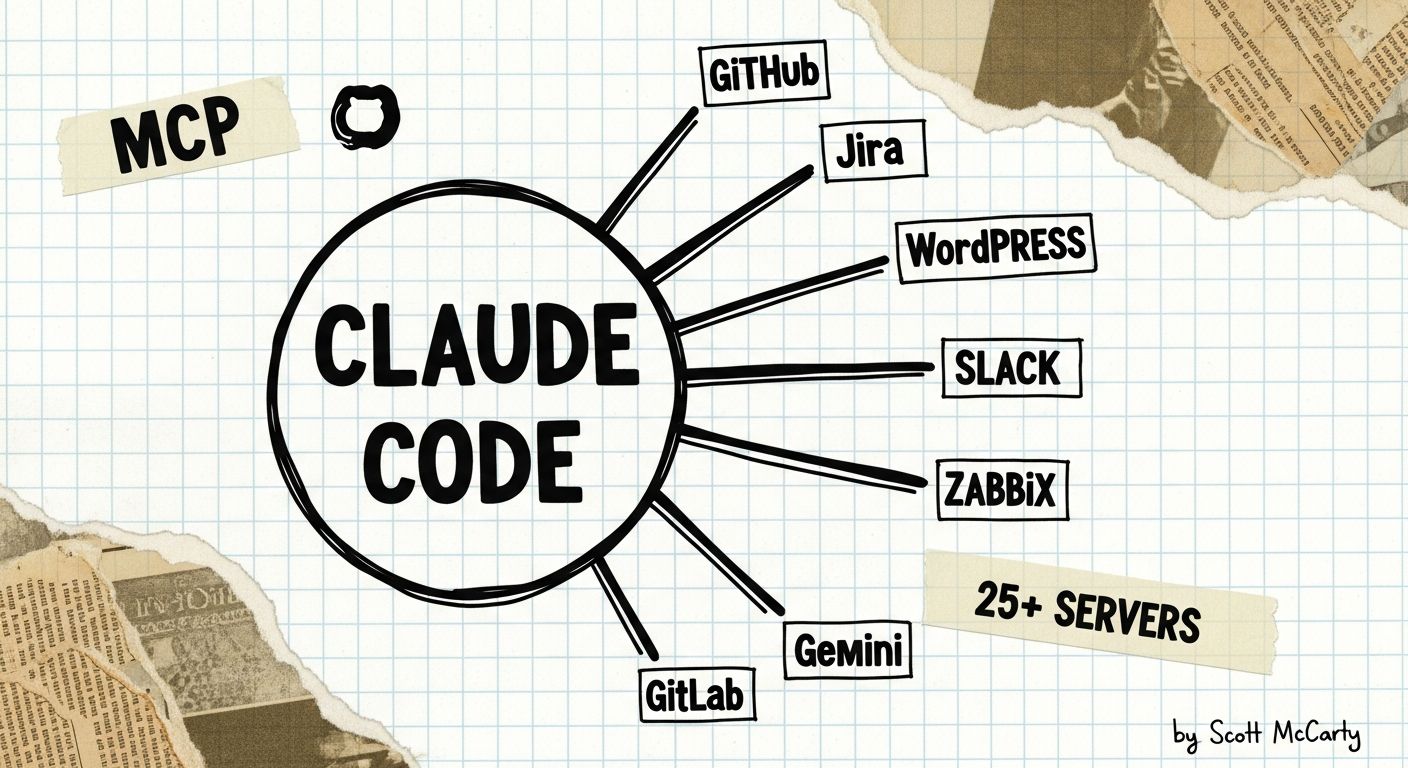
I’ve been building MCP servers for the last couple of months, and at this point I have over 25 of them wired into Claude Code. If you’re not familiar with MCP, it’s a protocol that lets AI assistants connect directly to external tools and data sources. Instead of copying and pasting information between applications, you
Continue Reading “My MCP Server Setup: A Practical Guide to Wiring AI Into Everything”
I recently wrote about giving Claude Code persistent memory using the MCP Memory Service. Go read that if you want the why. This post is about something else entirely. This post is about speed. I needed a feature in an open source project. I used an agent to write the code. A different agent reviewed
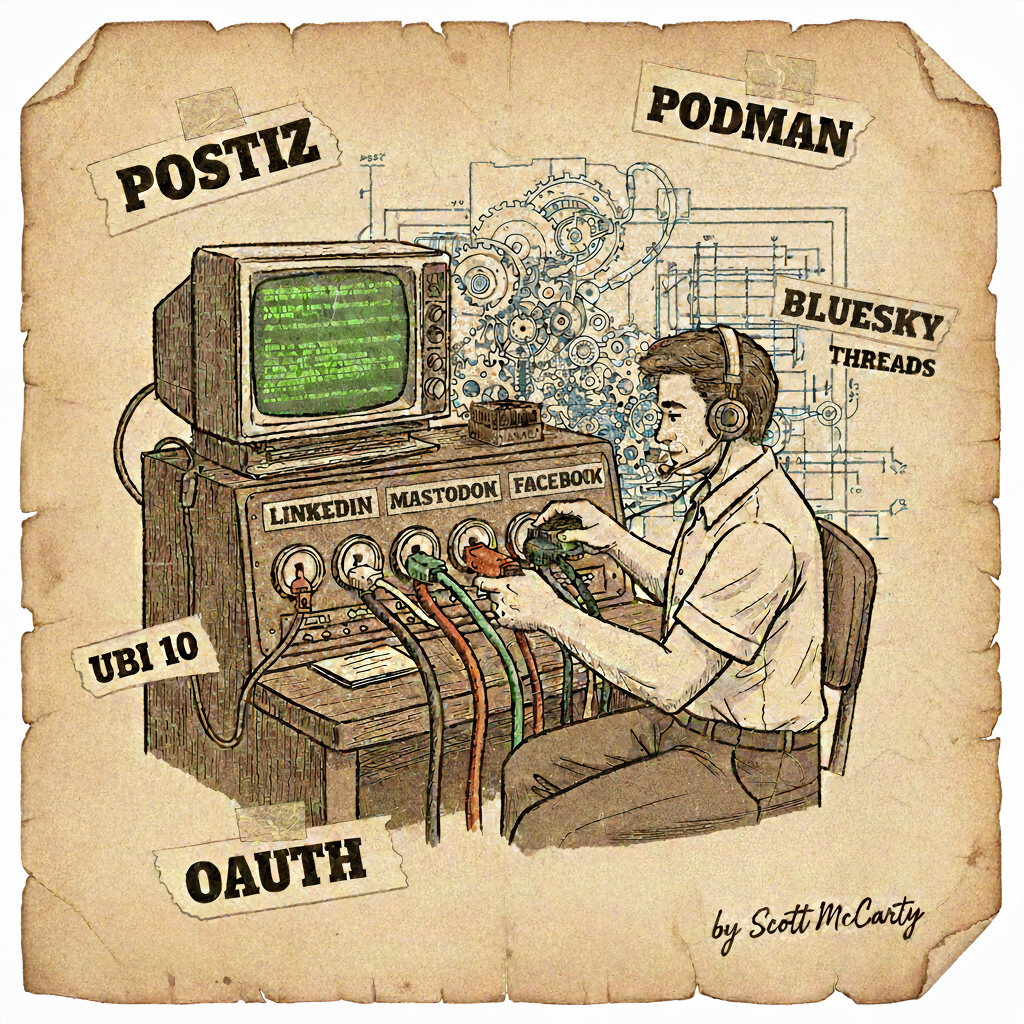
I replaced Buffer with a self-hosted instance of Postiz running on RHEL 10. One Podman container. Six social media platforms. Full API control. This is the technical walkthrough of what I built and what broke along the way.
Continue Reading “Self-Hosting Postiz on RHEL 10: One Container, Six Platforms, Zero SaaS”
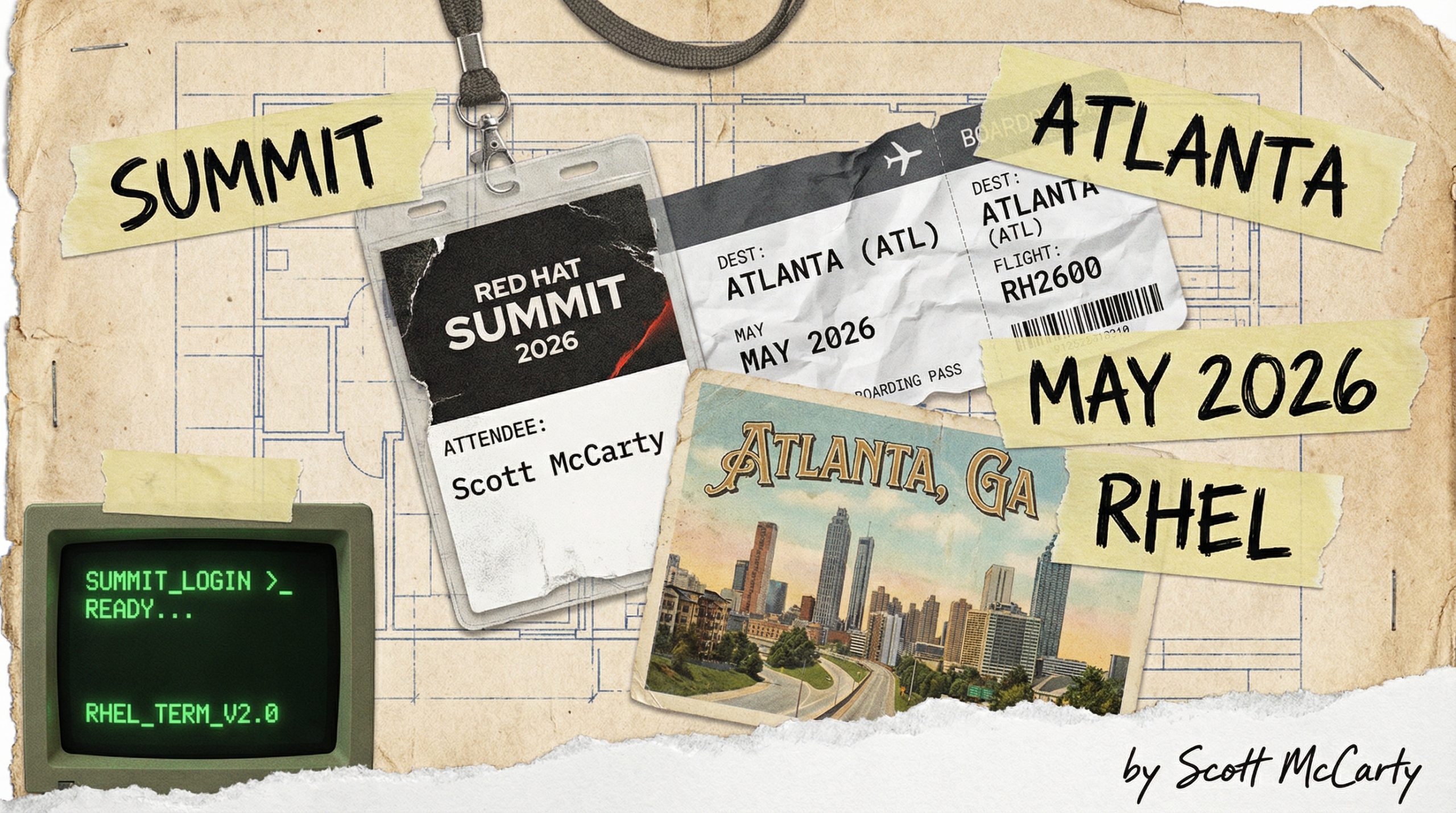
We’ll be heading to Atlanta this May for Red Hat Summit 2026 and I’m pleased to share that my session has been accepted. The Roadmap Beyond RHEL 10: Building RHEL the open source way (RM1169) RHEL 10 is barely out the door and people are already asking what’s next. Fair enough — it’s the right